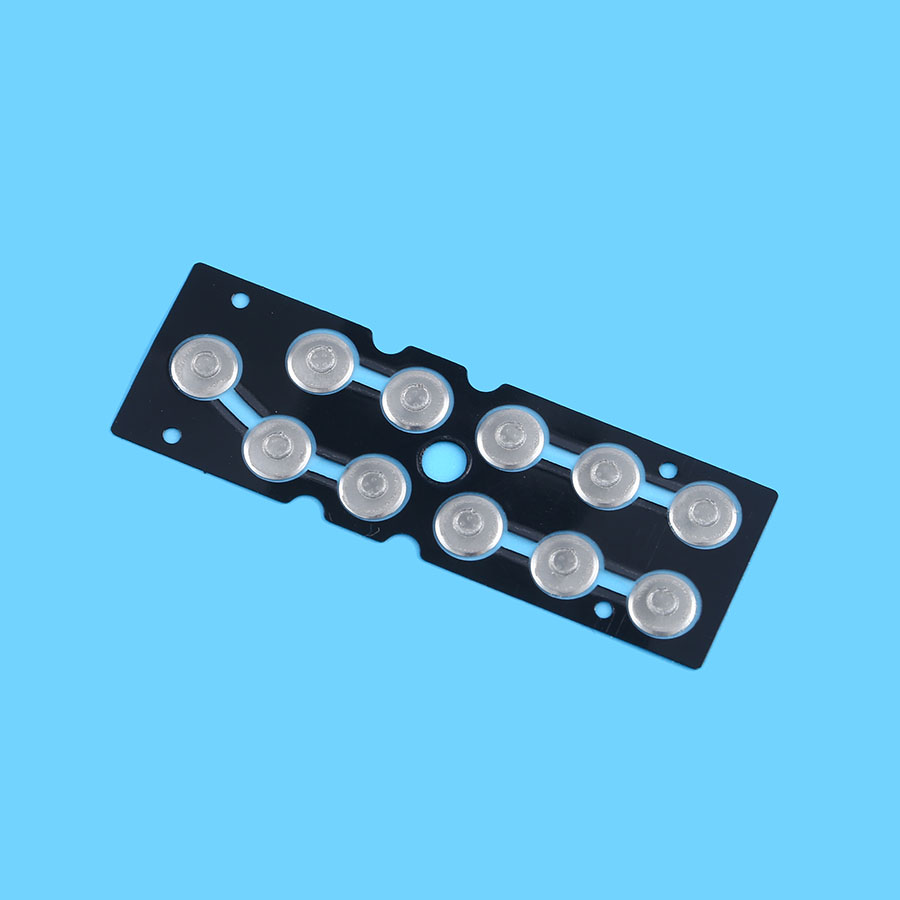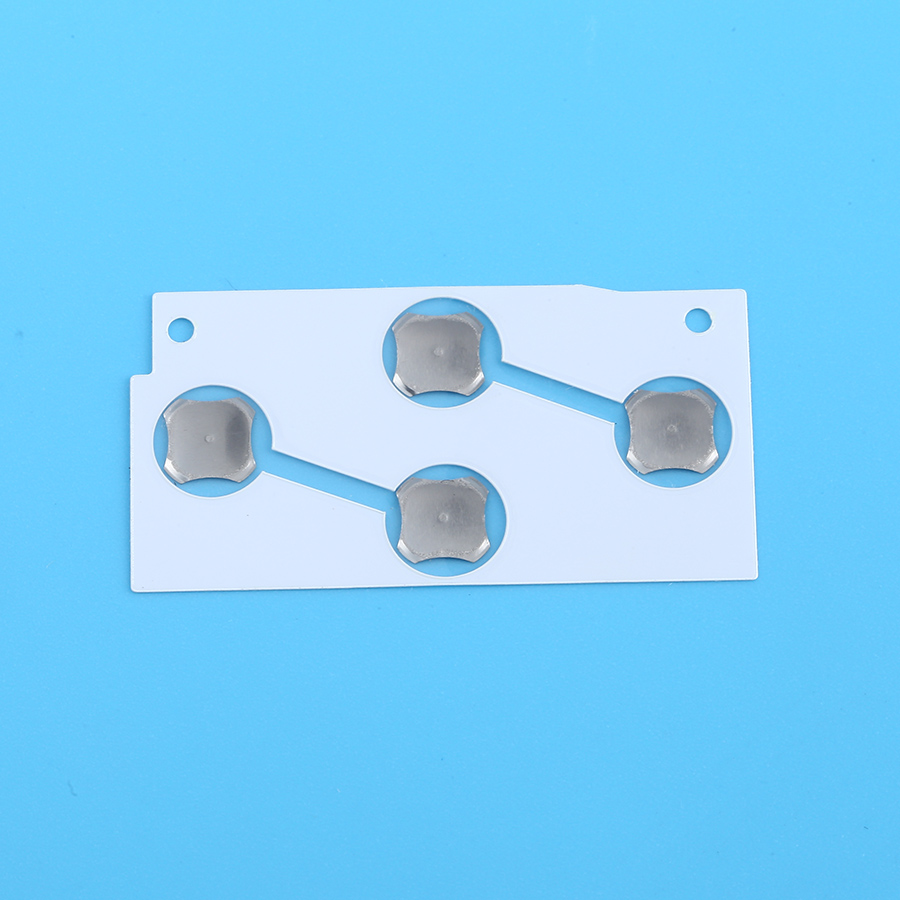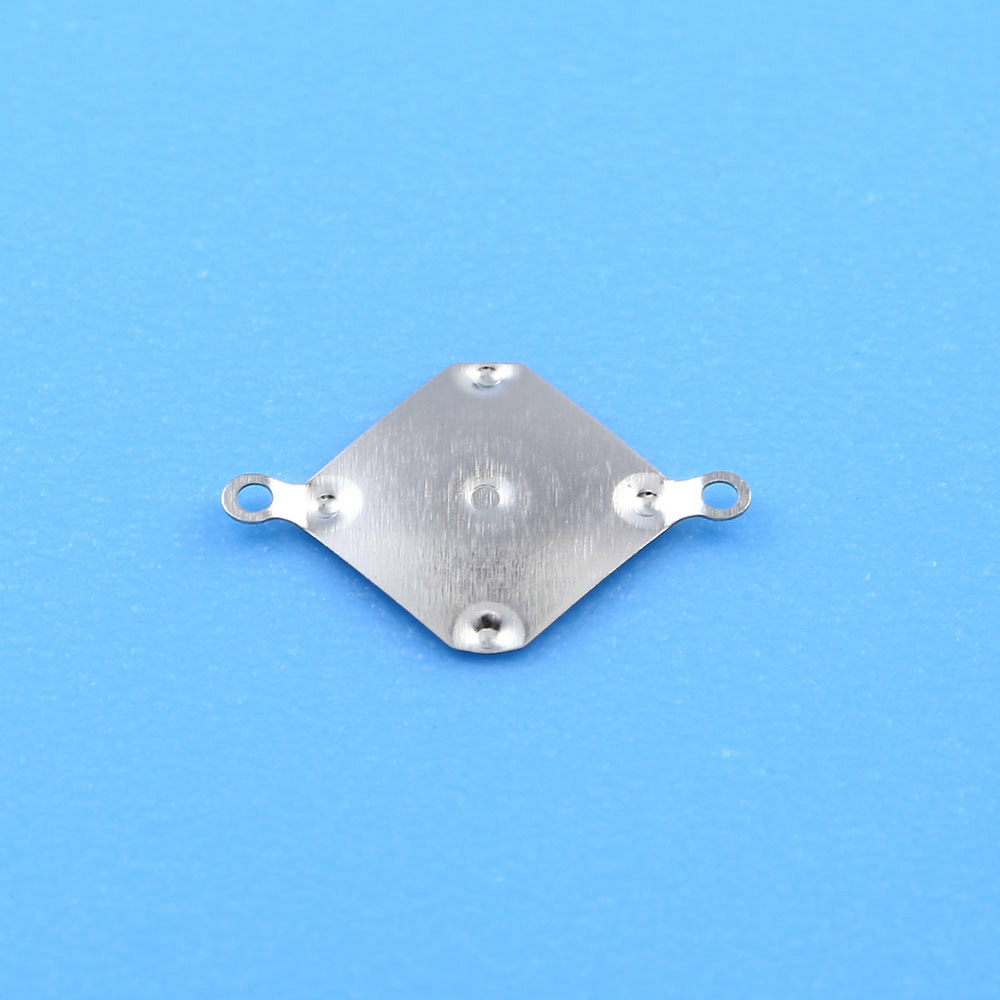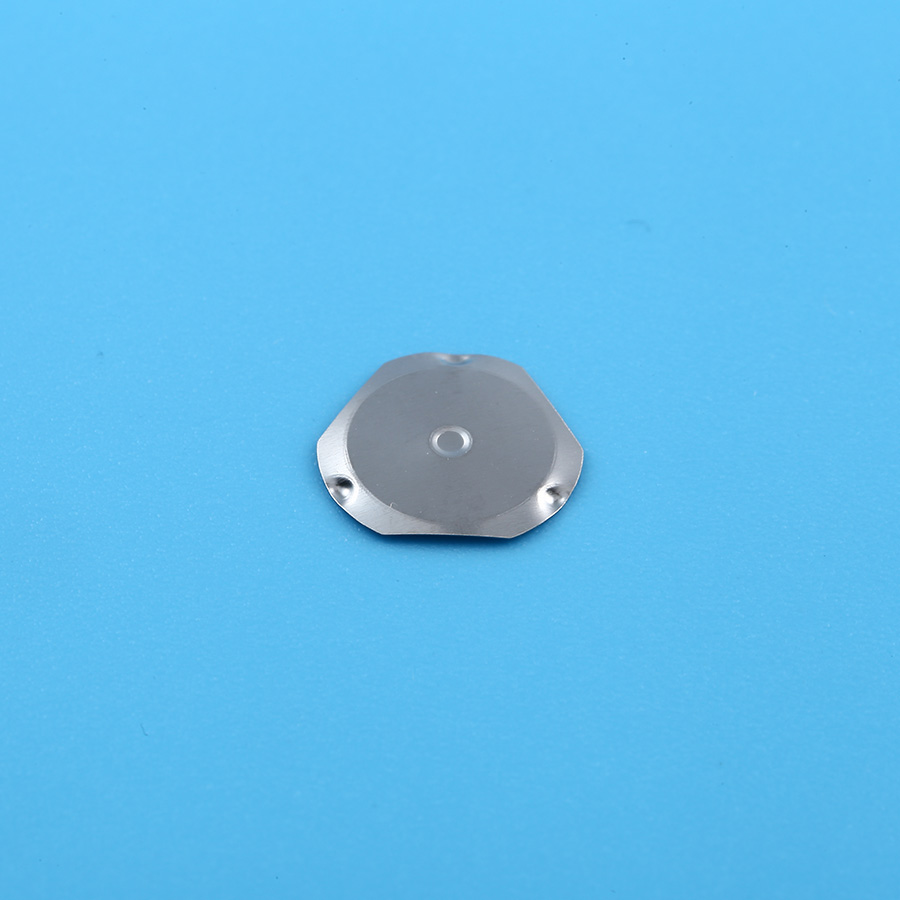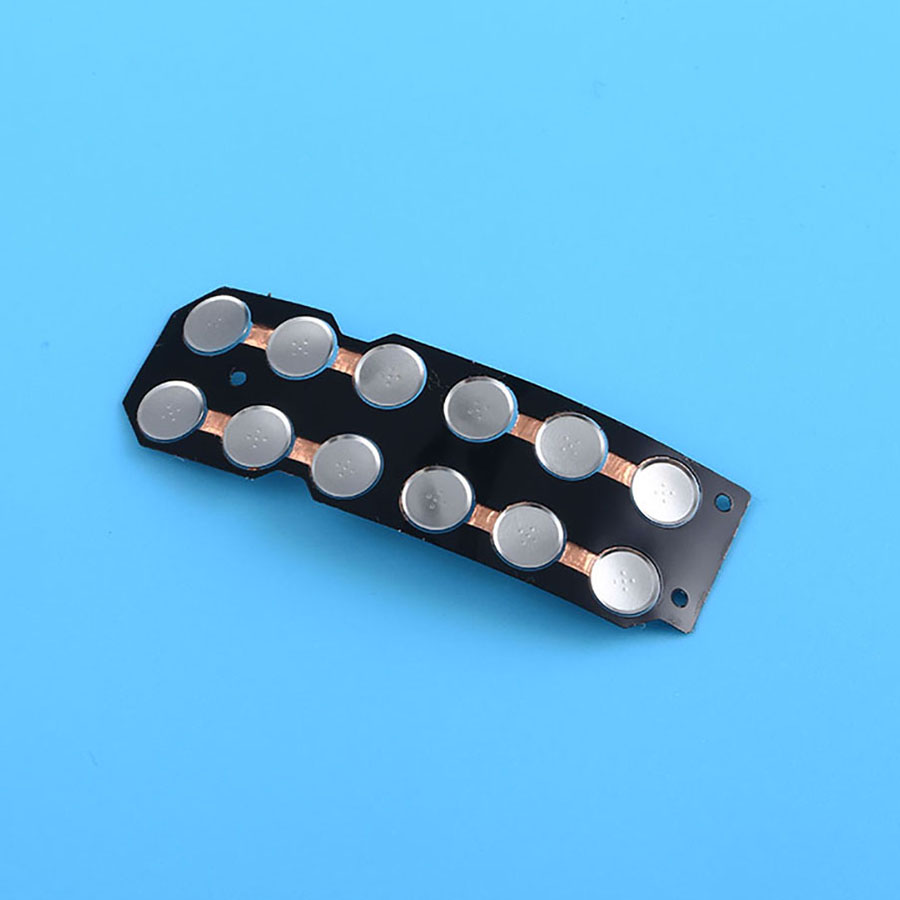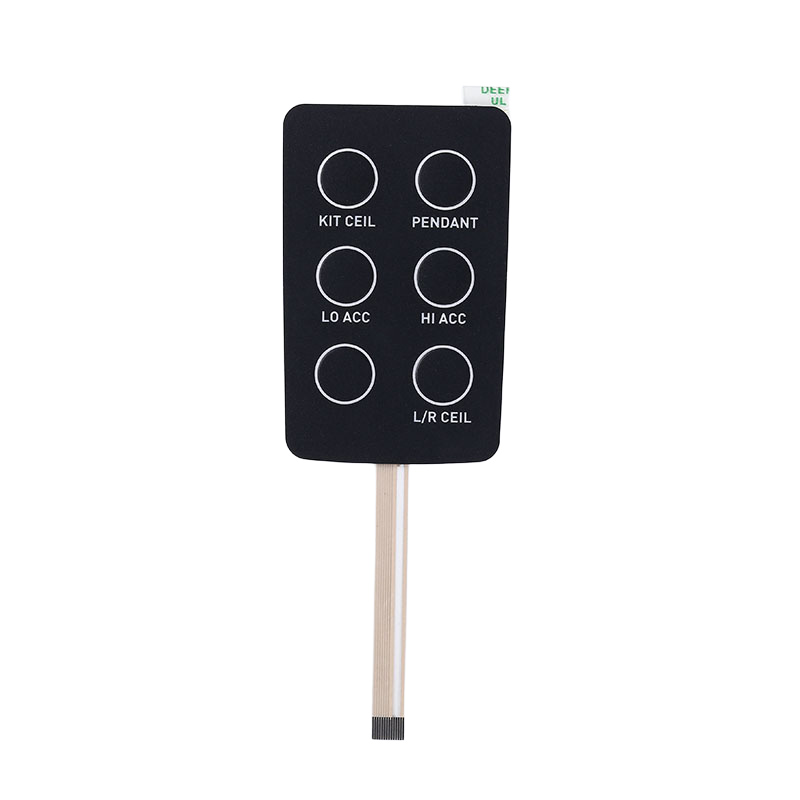
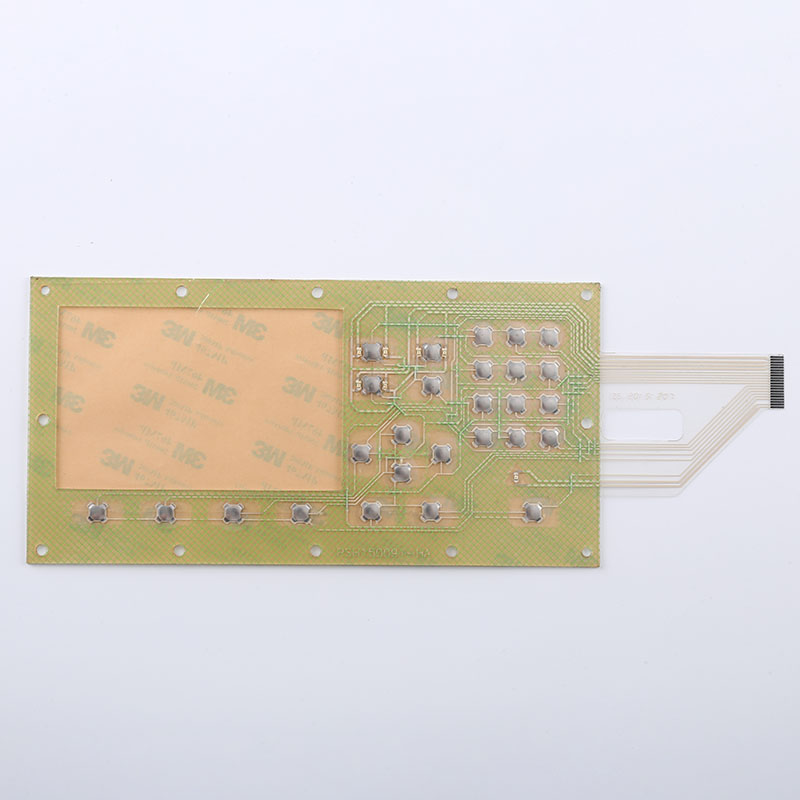
PET material exhibits outstanding flexibility, high transparency, abrasion resistance, and robust tensile and tear strength, coupled with minimal deformation and relatively low cost. Consequently, PET film finds extensive application in touchscreens, panels, labels, and related fields.
Multiple components of membrane switches are manufactured from PET (polyethylene terephthalate). The circuit body and top graphic layer typically employ high-transparency PET film. PET's low cost, extreme thinness, and high tensile strength make it an ideal material for this application. Given that many membrane switches require outdoor use, PET's superior moisture resistance, temperature tolerance, chemical stability, and electrical insulation properties over other materials represent significant advantages.
Features of PET membrane switch:
1. Sufficient film switch key lifespan (over 1 million cycles)
2. Excellent resistance to friction, scratches, chemicals, and household cleaners
3. The printing surface of the material has undergone special chemical treatment, ensuring that the ink adheres extremely well after printing
4. Transparent windows can be printed on sanded Autotex panel material using Windotex window liquid
5. Sand-textured Fototex paint can be screen-printed onto smooth Autoflex panel material to create a sand-textured finish
6. Excellent mechanical flexibility and resistance to bending, capable of forming raised packages
7. Good appearance and dimensional stability; the surface can be printed with various colors, including gradients, according to design requirements
8. Excellent weather resistance, preventing aging
9. High light sensitivity, strong adhesion, high abrasion resistance, strong solvent resistance, and easy to use
10. Ultra-high transparency, strong ink adhesion on both sides, uniform thickness, and smooth surface
PET flexible membrane switch application scenarios:
Medical Instruments: Due to their excellent waterproof, dustproof, oil-resistant, and corrosion-resistant properties, PET membrane switches are commonly used in medical instruments to ensure stable operation and operational safety.
CNC Machines: In industrial environments, the durability and stability of PET membrane switches make them an ideal choice for CNC machines.
Electronic Scales and Refrigerators: In applications requiring high-precision control, such as the control panels of electronic scales and refrigerators, PET membrane switches provide a reliable and reliable operating experience.
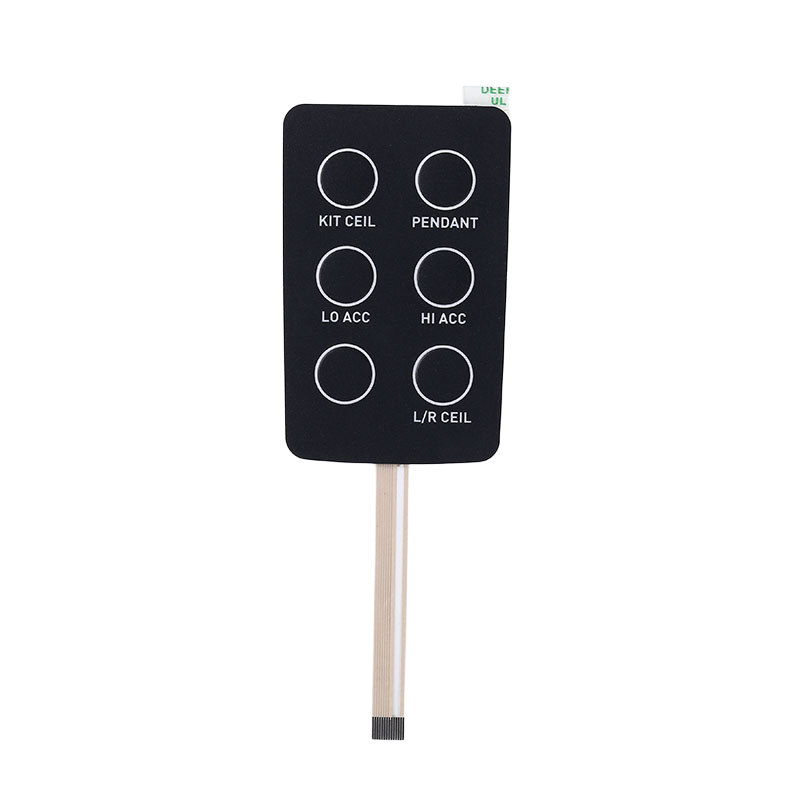
Why Choose PET Membrane Switches?
PET membrane switches are the ideal choice for applications demanding reliability, cost-effectiveness, and durability. Their unique design makes them particularly suited to scenarios with limited space and frequent exposure to harsh environments.
Unlike traditional mechanical switches, PET membrane switches contain no moving parts. This translates to reduced wear and tear, resulting in extended service life. Their sealed construction also provides effective protection against dust, water ingress, and chemical corrosion, rendering them suitable for outdoor and industrial settings.
Furthermore, PET membrane switches offer exceptional design flexibility. They can be customised with a variety of colours, textures, and backlighting options. Whether for simple interfaces or complex control panels, they can be tailored precisely to specific requirements.
PET membrane switch VS FPC membrane switch
When comparing PET membrane switches with FPC membrane switches, the primary differences lie in materials, durability, and cost.
Materials: PET switches utilise silver-based conductive ink, whereas FPC switches form copper circuits on a polyimide substrate.
Durability: FPC membrane switches withstand extreme temperatures and mechanical stress better than PET switches.
Cost: PET membrane switches are substantially less expensive than FPC products, making them an economical choice across numerous industries.
Customisation: Both support bespoke designs, though FPC configurations offer more sophisticated circuit solutions for complex applications.
For most general-purpose scenarios, PET membrane switches strike an optimal balance between performance, cost, and durability. Where high conductivity and extreme durability are required, FPC switches may represent the superior option.