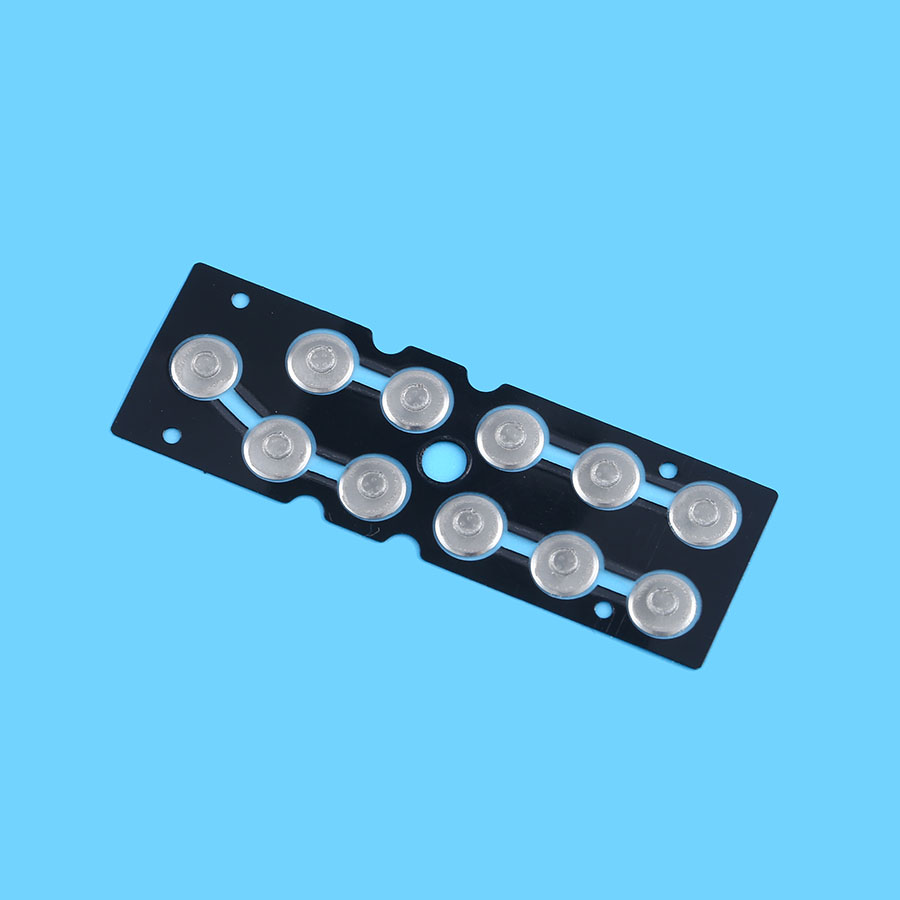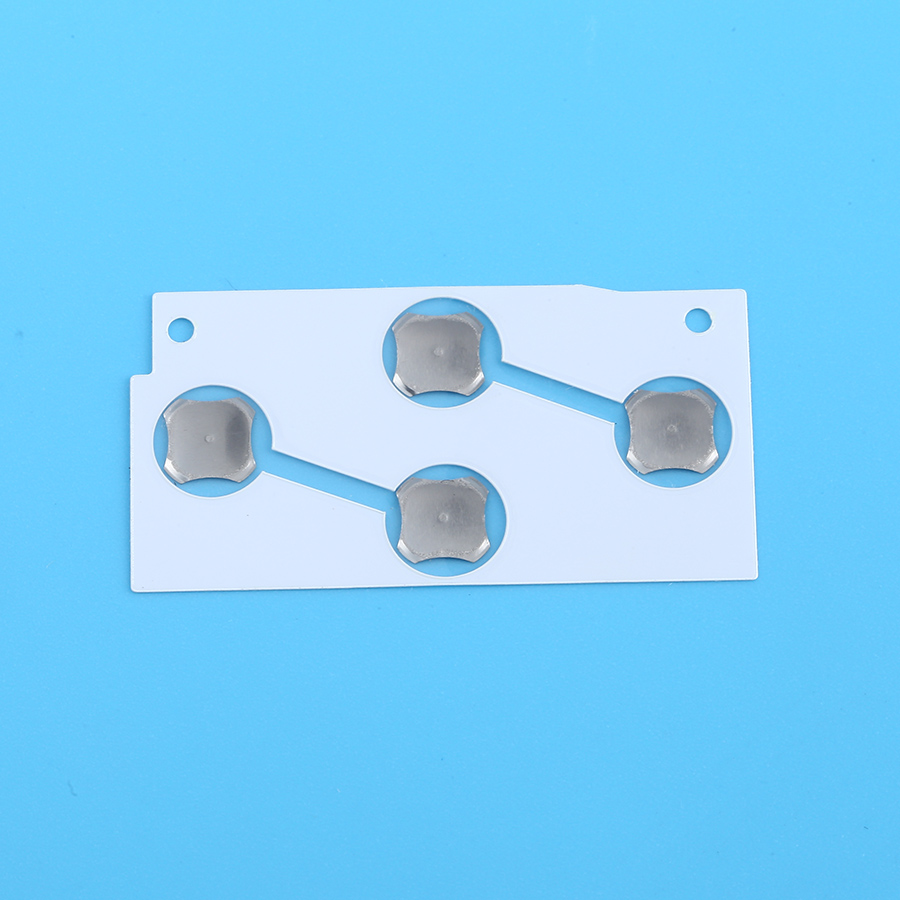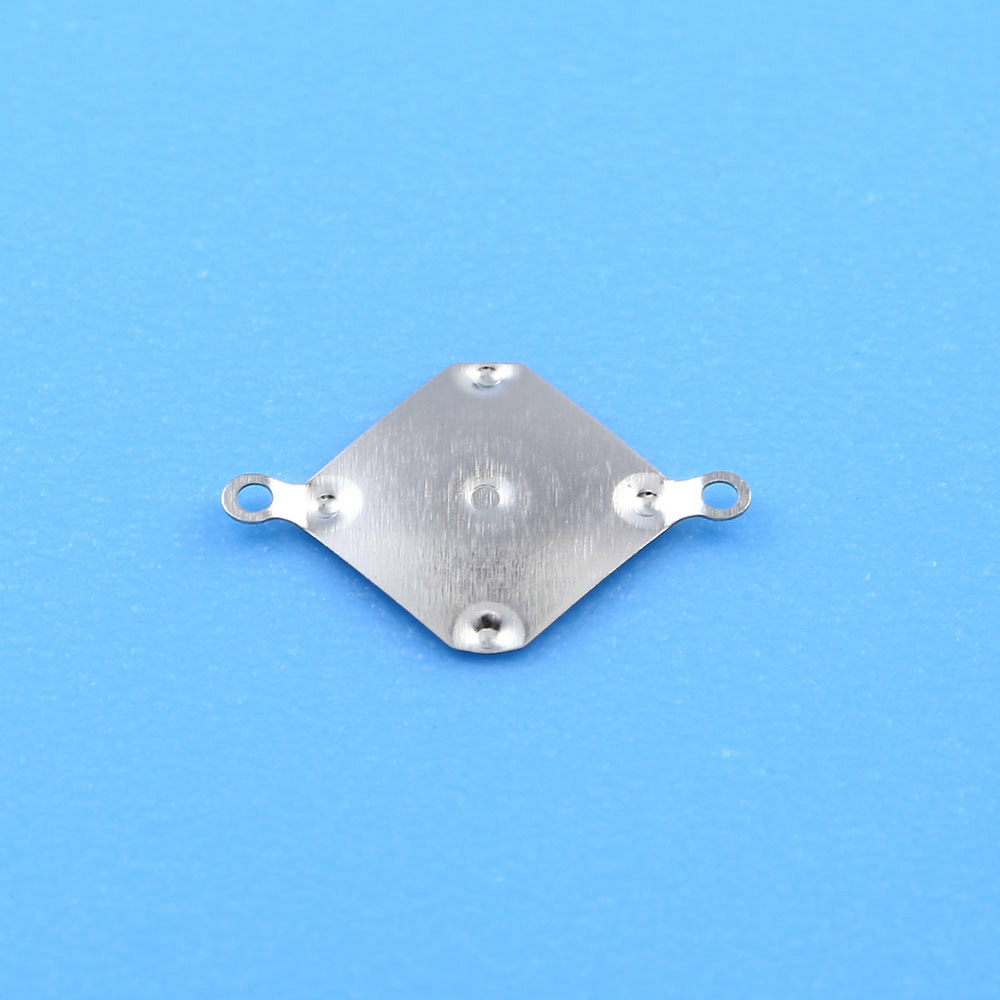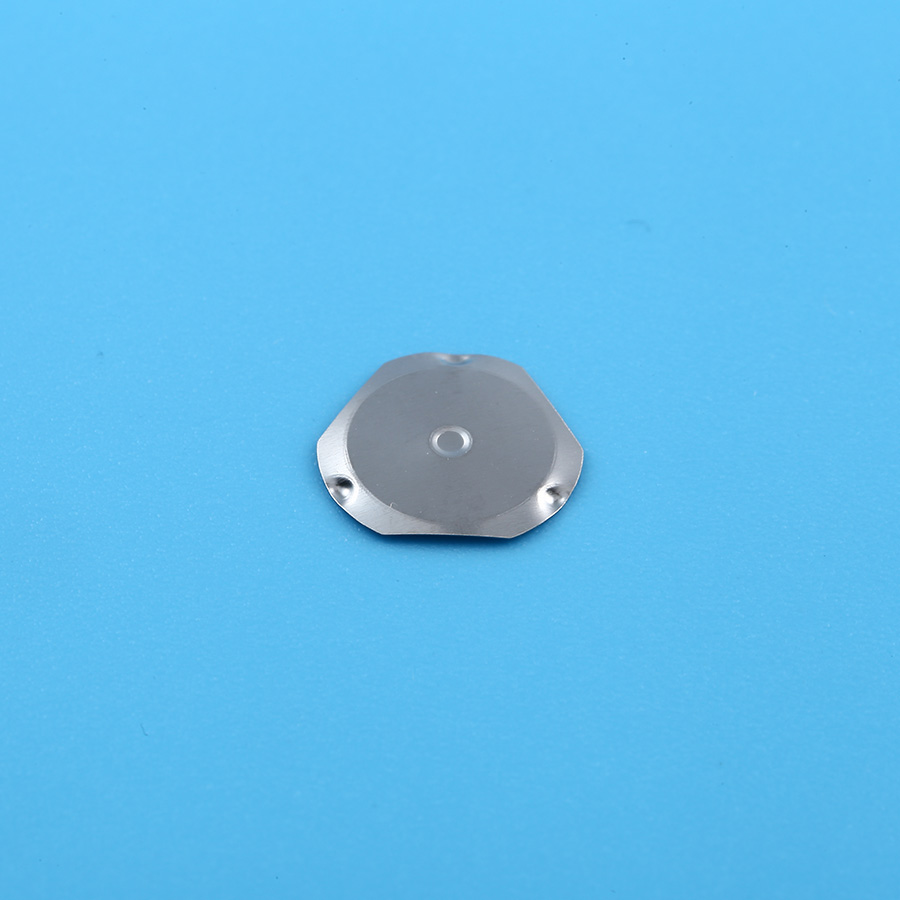
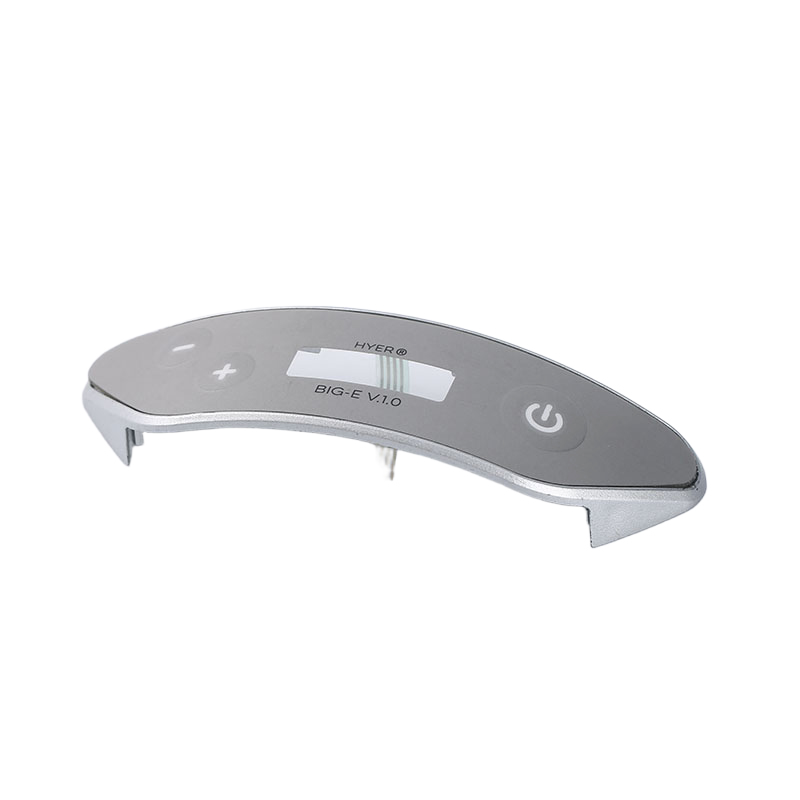
What is a PCB membrane switch?
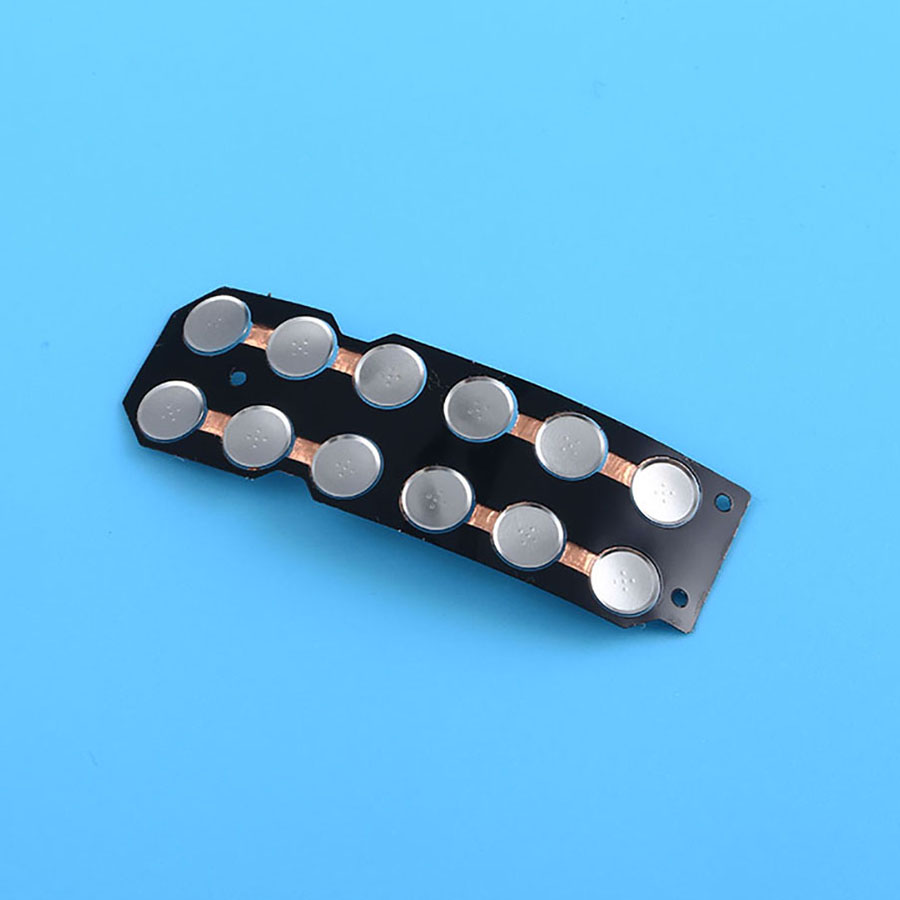
PCB typically refers to FR-4 PCB. FR-4 is an internationally standardised grade of glass fibre reinforced epoxy laminate with flame-retardant (self-extinguishing) properties. Following copper cladding on one or both sides of FR-4, a Copper Clad Laminate (CCL) is formed. This serves as the non-conductive core material for conventional printed circuit boards (PCBs). Printed circuit boards utilising FR-4 as their core material are termed ‘FR-4 PCBs’.
PCB membrane switches employ PCBs as their primary structural framework and supporting substrate. A membrane switch is affixed to the front surface, while connectors and other components are mounted on the reverse side.
Types of PCB Membrane Switches
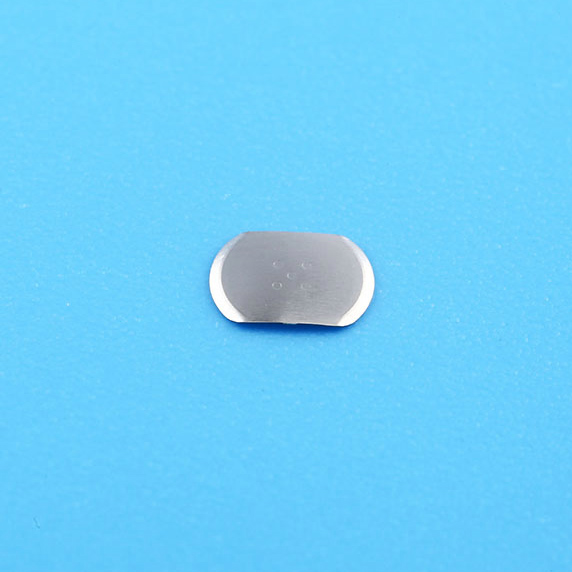
Based on tactile feedback characteristics, PCB membrane switches can be categorised into two types: tactile feedback and non-tactile feedback. Tactile feedback membrane switches provide users with a physical sensation when pressing a key, whereas non-tactile feedback membrane switches do not offer such feedback. However, the latter typically incorporate audio devices and LED indicators, or display status changes upon actuation. Non-tactile membrane switches can withstand up to 3,000,000 operations, whereas tactile membrane switches achieve only 1,000,000 operations in service life.
Features of PCB membrane switch panel
1. Excellent waterproof performance: Panel membrane switches utilize sealing technology to effectively prevent water mist, steam, and water droplets from entering the switch interior, thereby preventing short circuits and enhancing the service life and safety of control components.
2. Excellent dustproof performance: Panel membrane switches are constructed using sealing materials to effectively prevent dust and other foreign particles from entering the switch interior, making them ideal for use in durable electrical appliances.
3. Durable Performance: Panel membrane switches are made from materials that are soft, flexible, and stable in performance, enabling them to withstand prolonged use, repeated operations, and environmental changes such as vibrations without experiencing short circuits or failures.
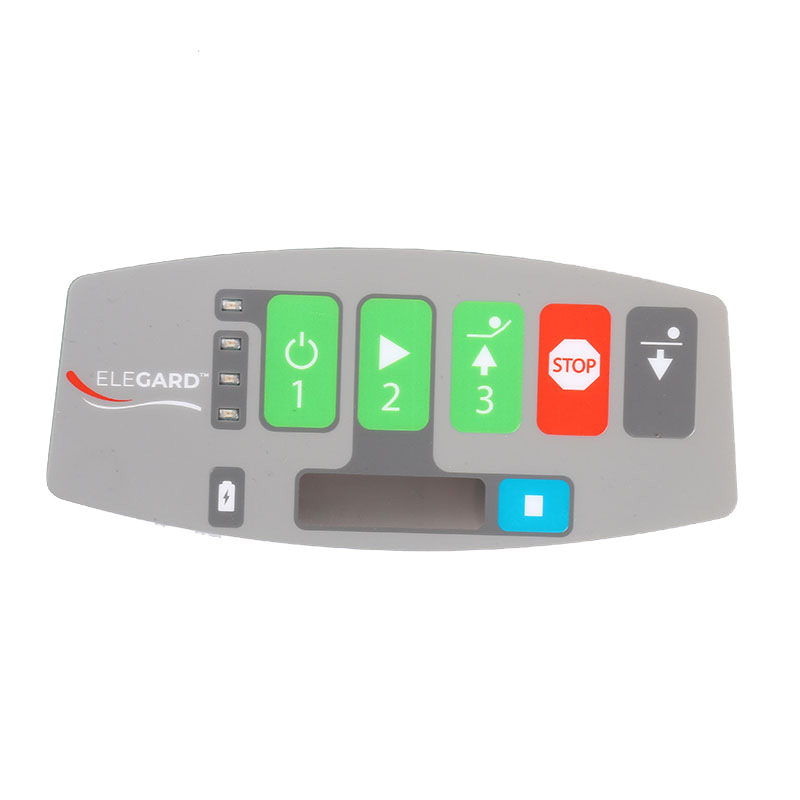
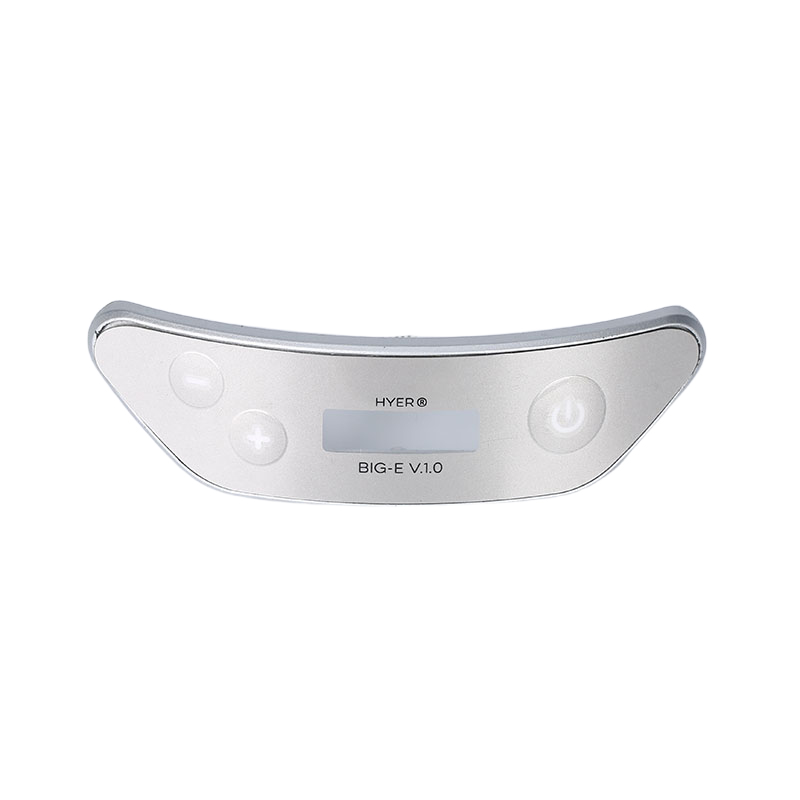
4. Aesthetic Design: Panel membrane switches offer a variety of colors, customizable engraving, patterns, and designs, allowing them to be manufactured in various styles. They are visually appealing and suitable for use in diverse environments and with different controllers.
Advantages of Panel Membrane Switches in Applications
1. User-friendly: Panel membrane switches are simple and flexible to operate, allowing for operation in relatively confined spaces. As a result, they are widely used in fields such as medical devices, home appliances, and automotive equipment, significantly enhancing human-machine interaction in these applications.
2. Cost-effective: Compared to traditional buttons and switches, panel membrane switches eliminate the need for additional components, thereby effectively reducing costs and improving production efficiency.
3. Reliable Control: Panel membrane switches feature high on/off precision and overload capacity. Even when subjected to external interference or improper operation, their internal circuits remain stable over extended periods, ensuring the controller reliably executes various operations.