What is a Flexible Printed Circuit Membrane Switch?
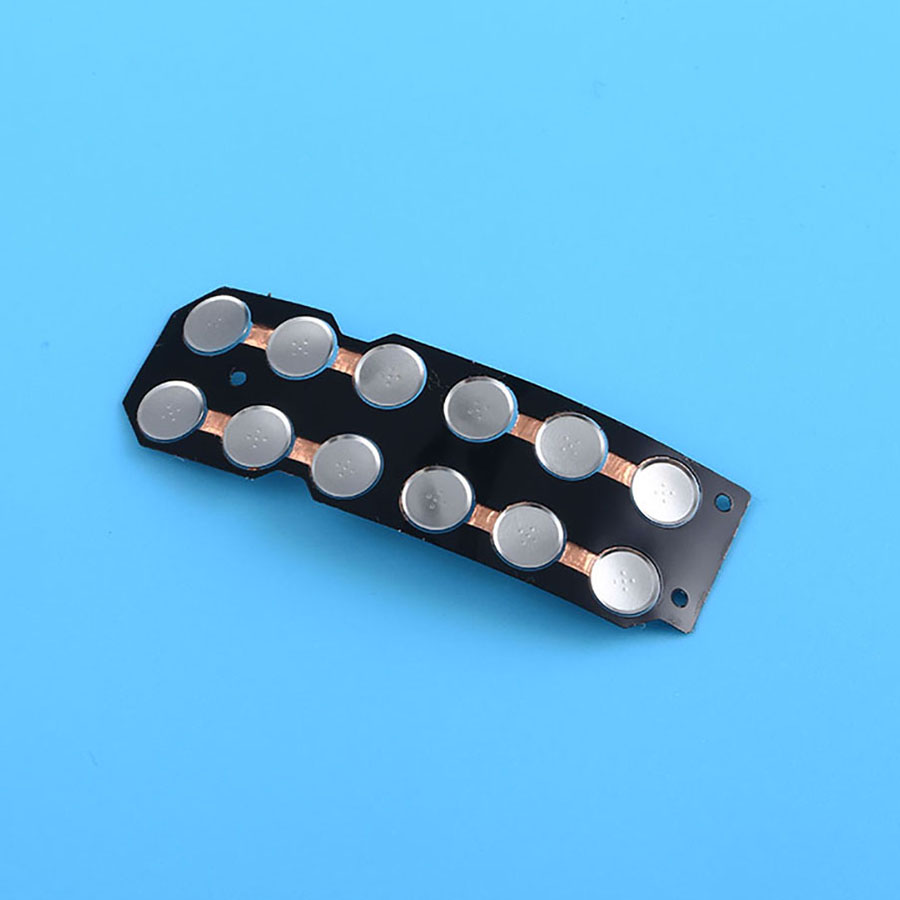
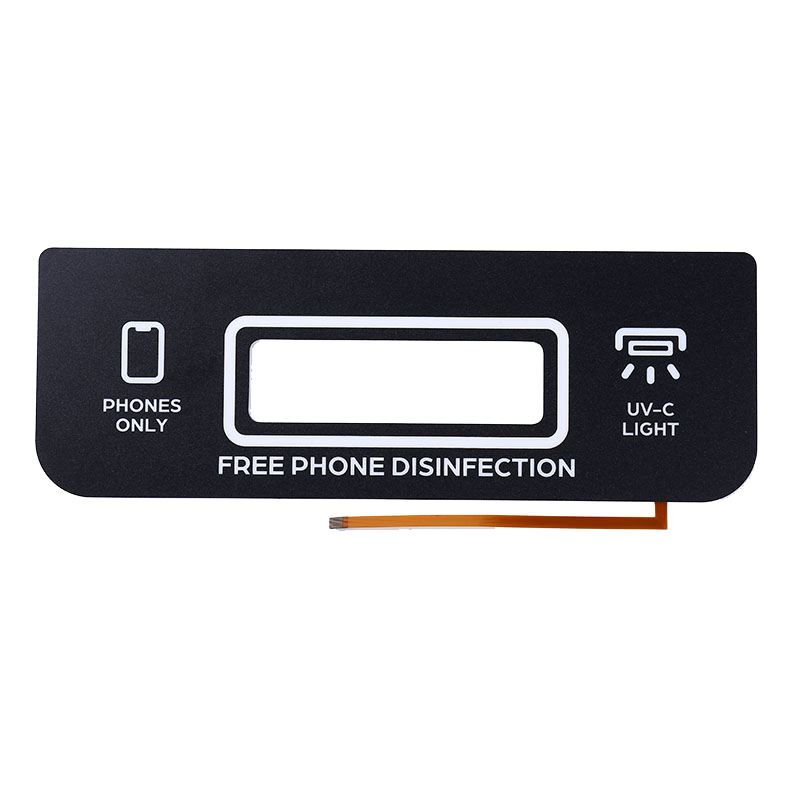
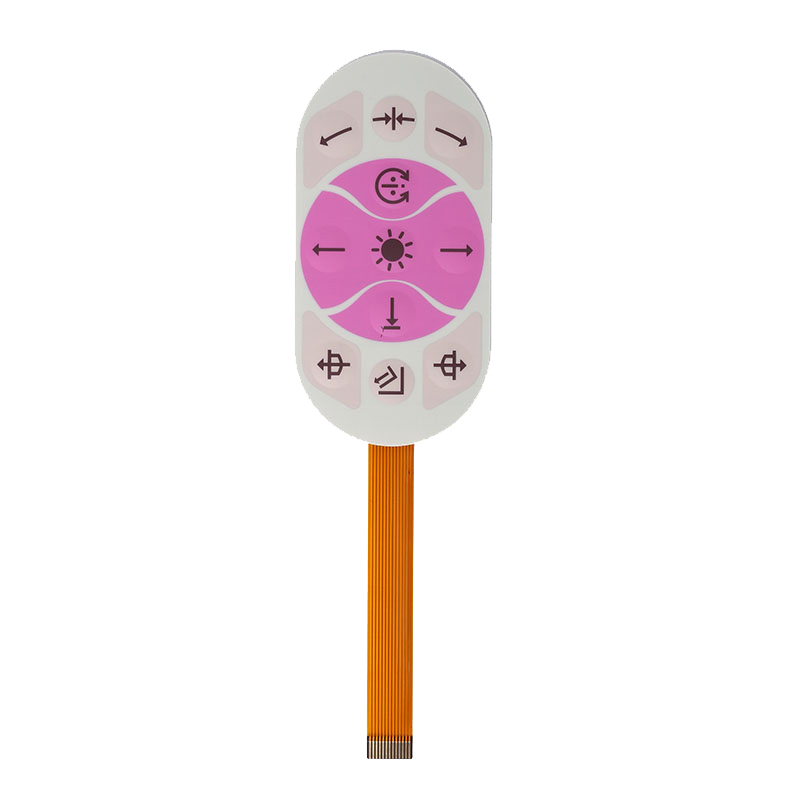
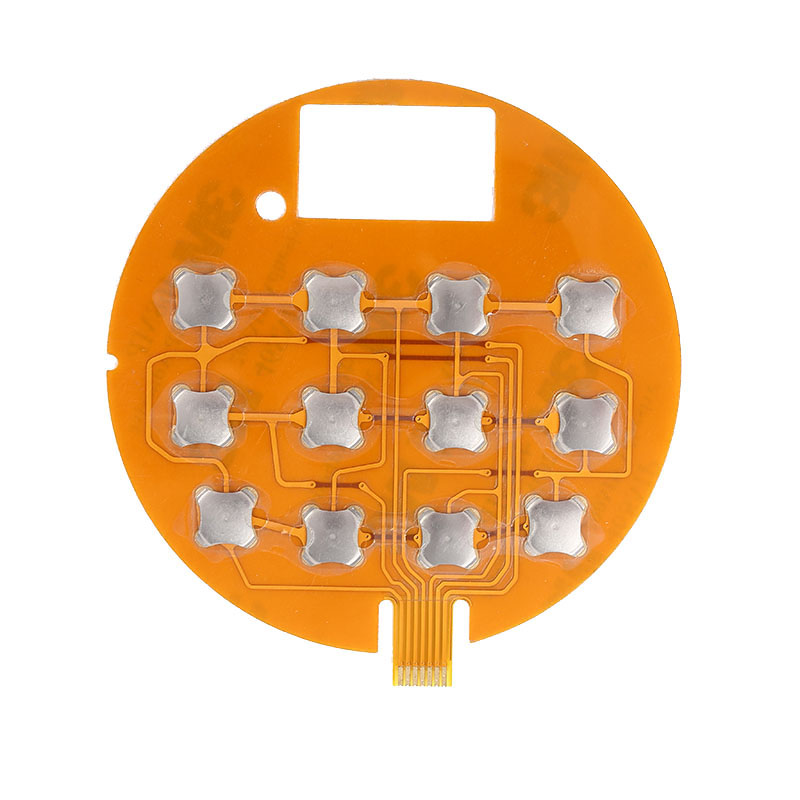
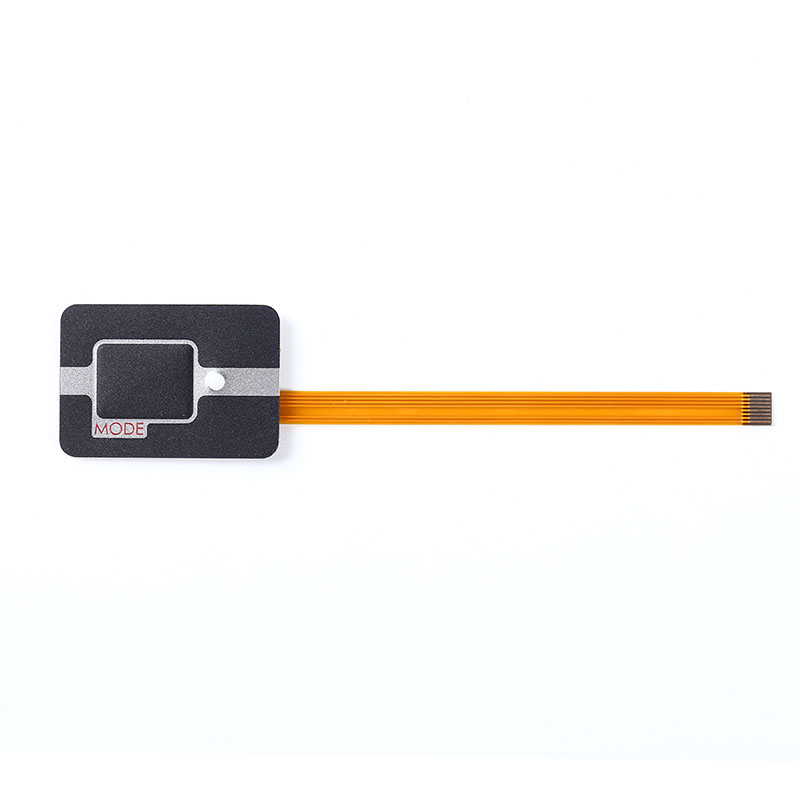
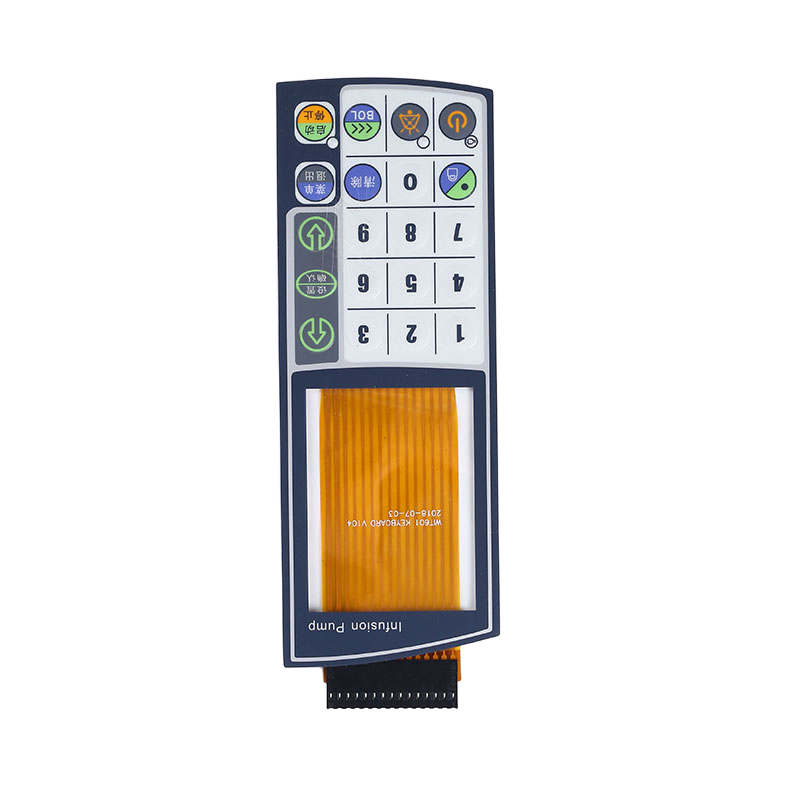
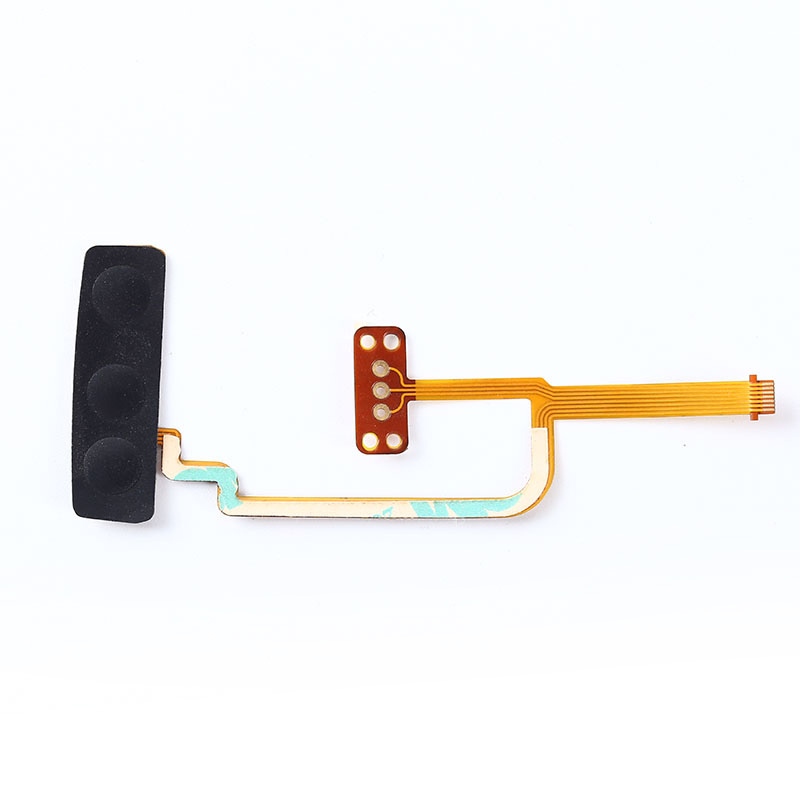
A Flexible Printed Circuit (FPC) membrane switch constitutes a user interface with a flexible printed circuit as its core component. Unlike conventional membrane switches employing silver paste printed flexible circuit layers, FPC membrane switches utilise polyimide copper-etched FPC circuits. Copper-based flexible membrane keyboards (also termed copper-based flexible printed circuit membrane switches) constitute indispensable input devices within the electronics industry. Their design aims to provide user-friendly operating interfaces for applications ranging from consumer electronics to industrial machinery. Owing to their construction using flexible circuit boards, FPC membrane switches offer high precision, low resistance values, and more stable circuit functionality.
Features of FPC tactile membrane switch :
Compact Size and Lightweight: FPC thin film switches are made of flexible materials, offering a compact size and lightweight design. This significantly reduces the thickness and weight of devices, making electronic equipment more portable and flexible.
High Flexibility: FPC thin film switches feature high flexibility, enabling them to be bent, folded, and deformed as needed to accommodate various complex shapes and structures.
Excellent Sealing Performance: They offer superior waterproofing, dustproofing, and corrosion resistance, effectively preventing external substances from entering the switch gaps and ensuring stable device operation.
Stable Electrical Performance: Even after repeated bending, electrical performance remains stable, ensuring device reliability and longevity.
Easy Installation: With a compact design, they are easy to install and suitable for various working environments, particularly in harsh conditions.
High reliability: Long service life and strong stability, capable of normal operation in harsh environments such as high temperatures and high humidity.
Multifunctionality: FPC membrane switches can not only be used as switches but also integrated with indicator elements and instrument panels to achieve multiple functions.
Silkscreen printing membrane switch Application areas:
FPC membrane switches are widely used in various electronic devices, including mobile phones, tablets, digital cameras, microwave ovens, etc. Additionally, they are commonly used in medical equipment, industrial control, the automotive industry, and smart toys.
What is the service life of FPC membrane switches?
Material Selection:
Circuit Substrate: Utilising FPC with high-grade polyimide (PI) offers superior bend resistance and ageing resistance, with a significantly longer lifespan than standard polyester (PET) substrates.
Contact Material: Gold-plated or silver-plated contacts effectively reduce oxidation and wear, prolonging electrical conductivity stability; standard copper foil contacts exhibit considerably shorter lifespans.
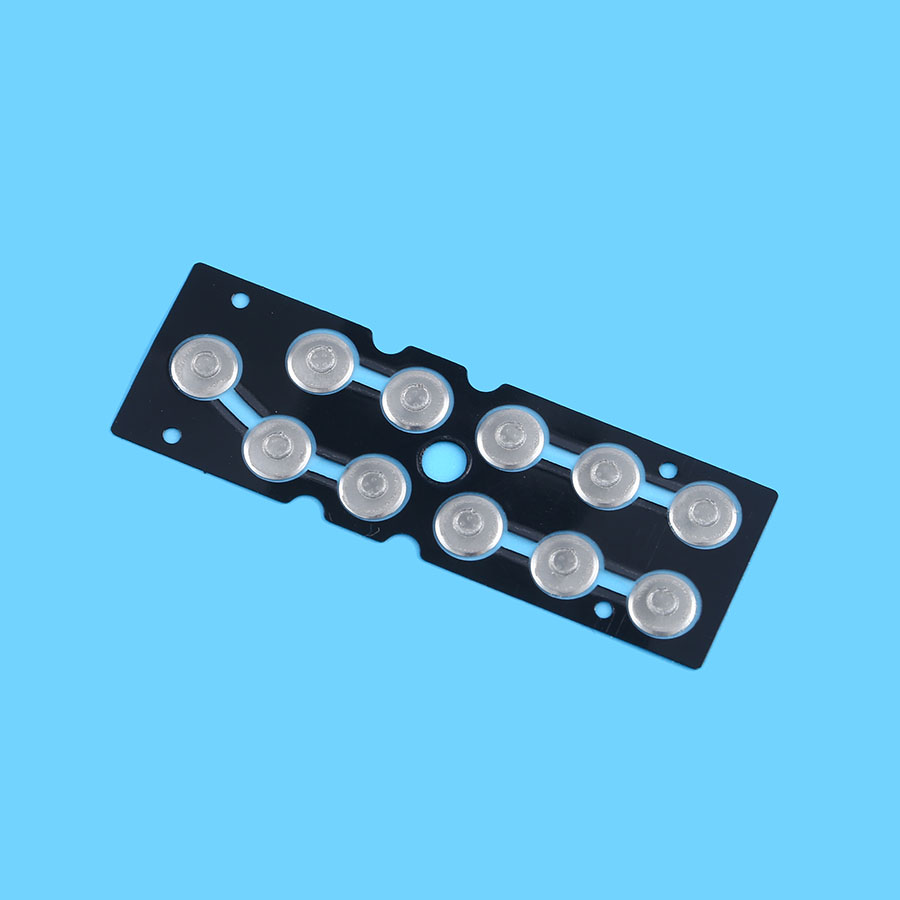
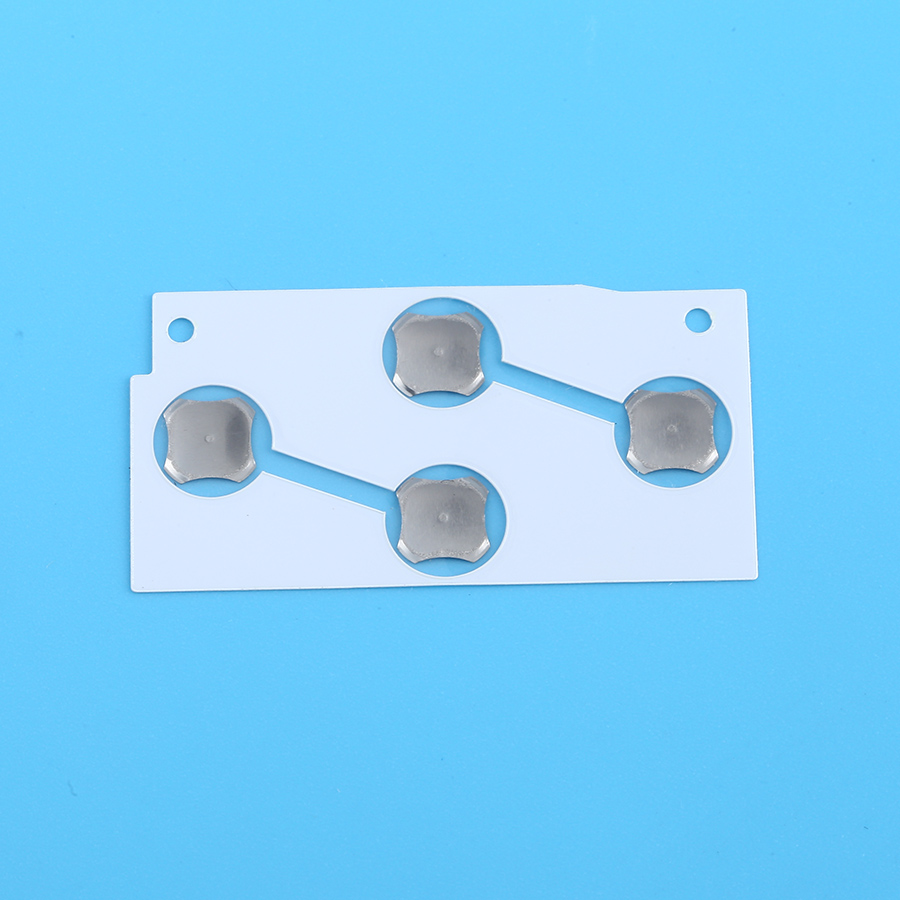
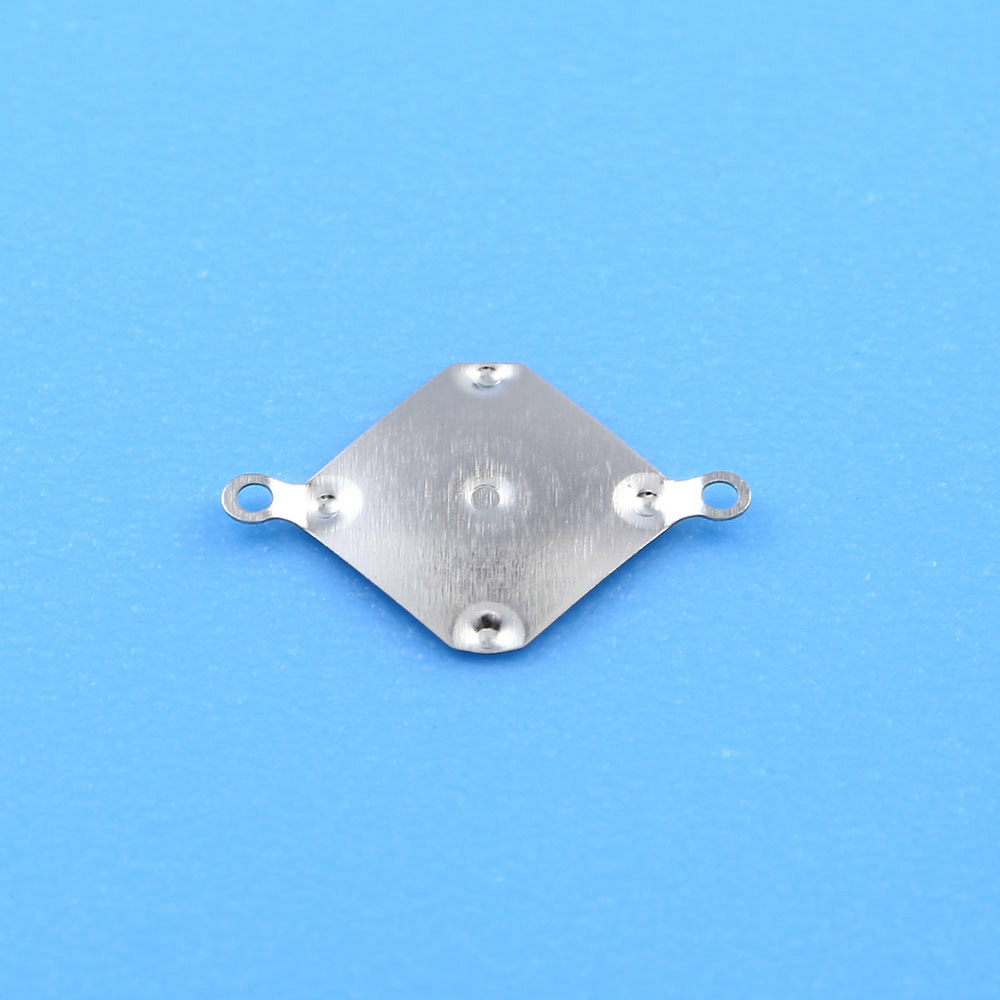
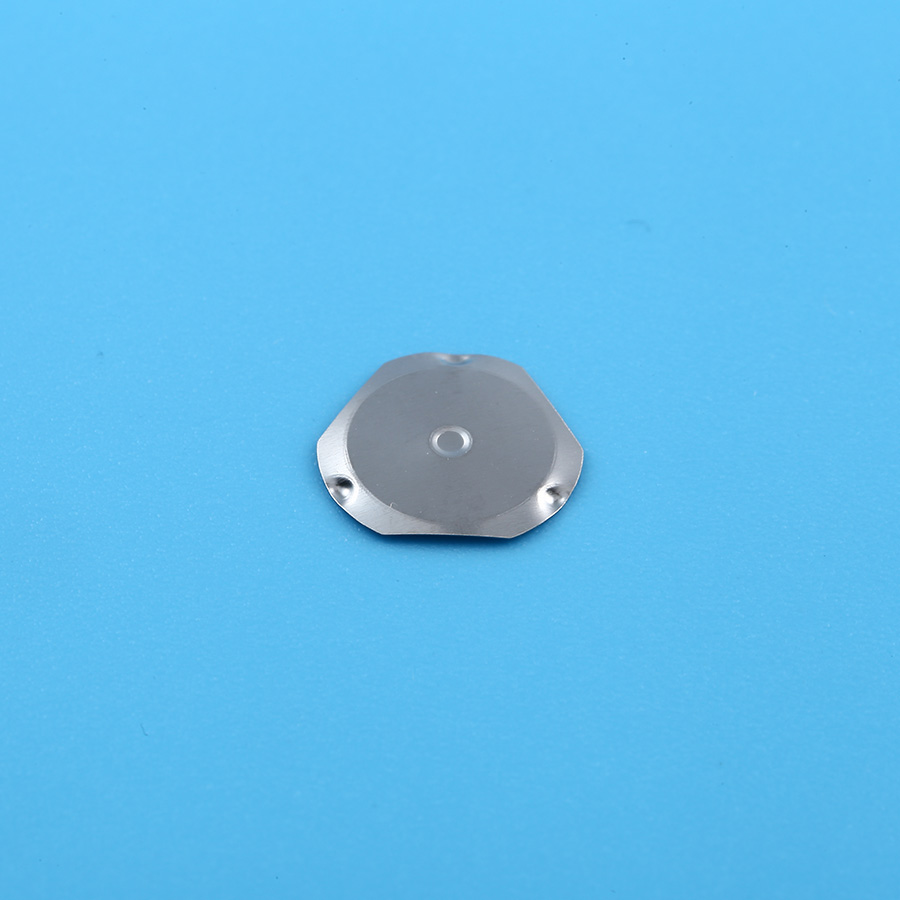
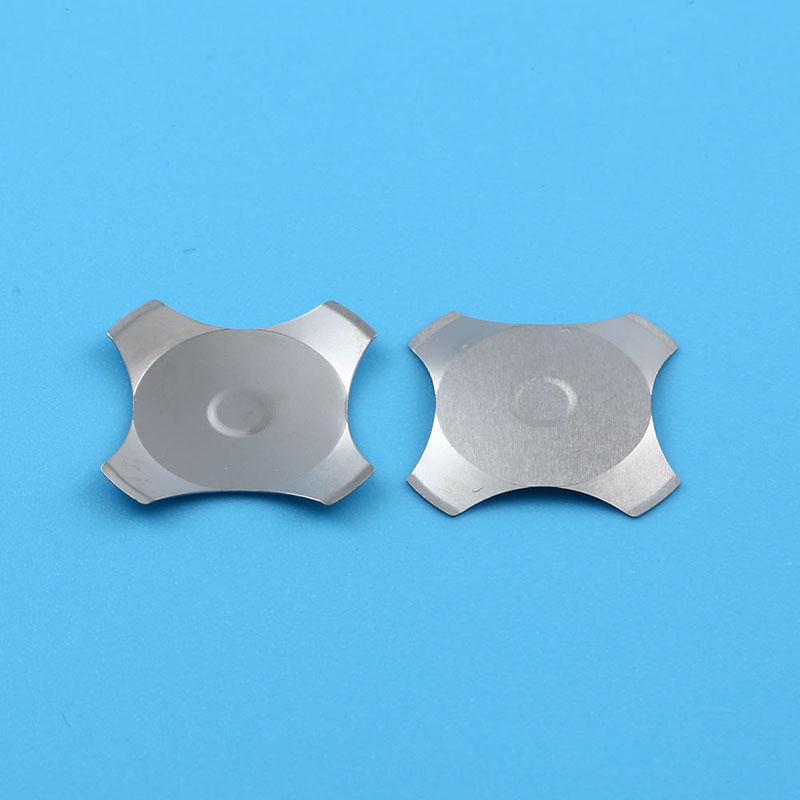
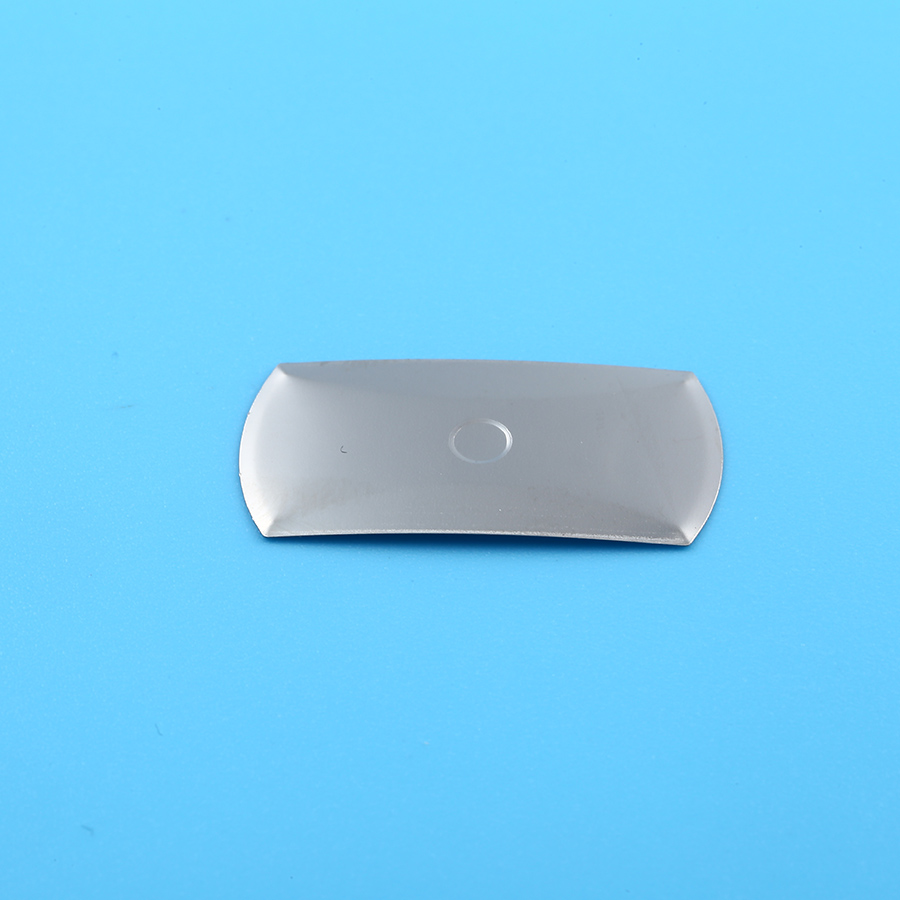
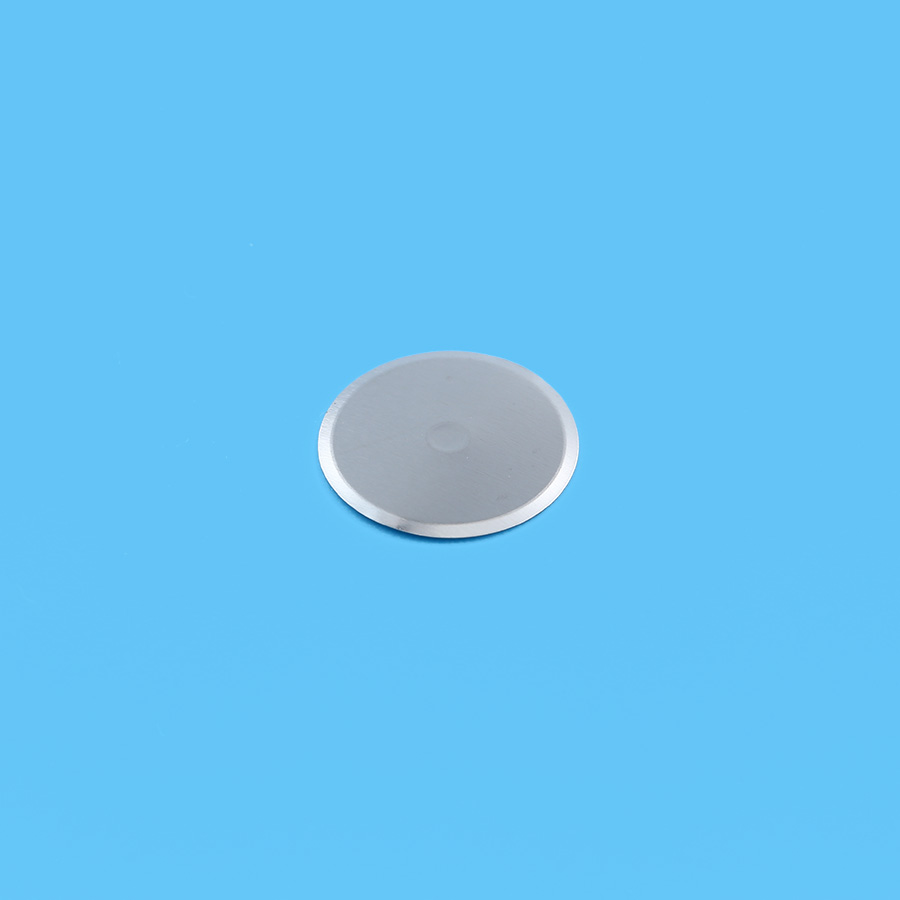
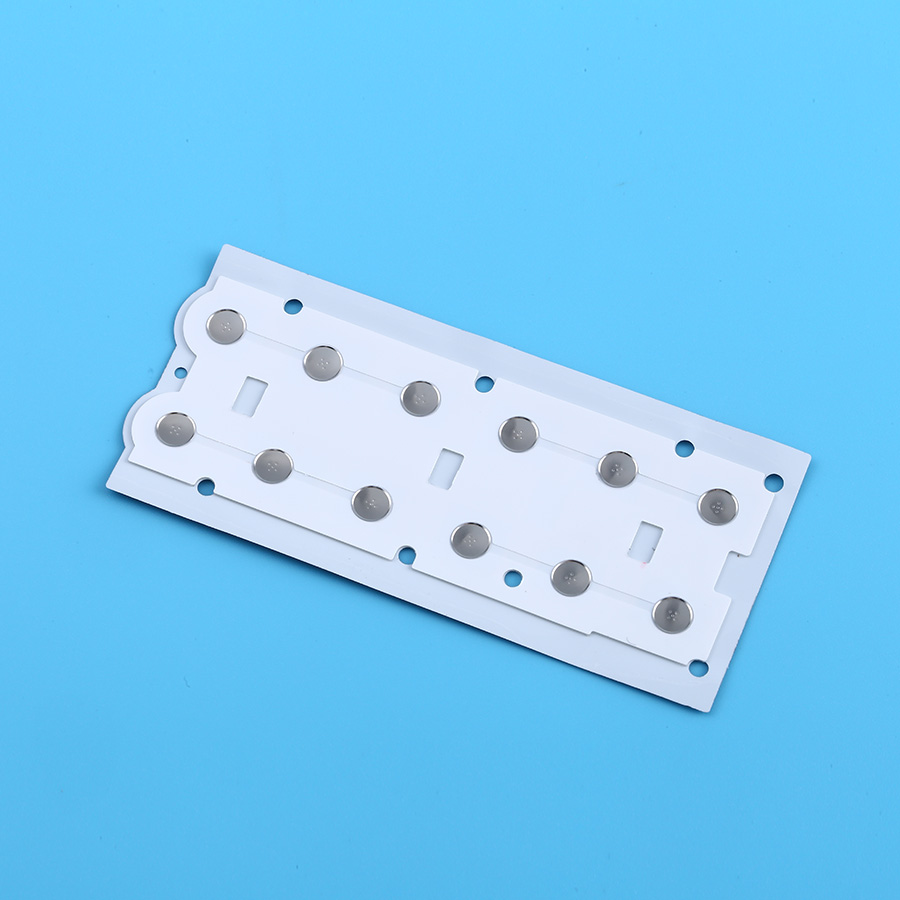
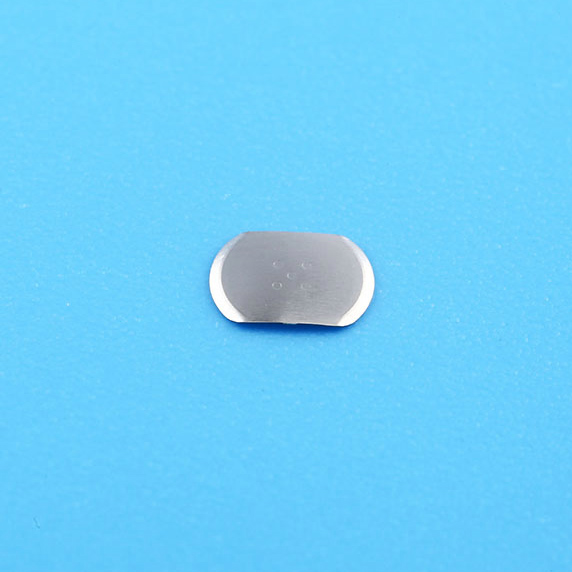
Key Actuators: If incorporating metal springs (e.g., stainless steel), their elastic fatigue limit determines key lifespan; premium springs readily exceed 500,000 cycles.
Structural Design:
Key Travel: Excessively short travel (e.g., <0.1mm) may cause premature contact wear; excessively long travel (e.g., >0.5mm) increases bending stress on the FPC. Both scenarios may shorten lifespan.
Circuit Layout: Routing traces on the FPC too close to bending points or key stress areas may accelerate circuit breakage through repeated pressing, reducing service life.
Operating Environment:
Temperature and Humidity: Prolonged exposure to high temperatures (>60°C) or humidity (>85% RH) accelerates substrate ageing and contact oxidation, potentially reducing lifespan by over 30%.
External Forces and Contamination: Frequent excessive pressing (exceeding design force), or ingress of dust or liquids into the switch, directly damages contacts and the FPC, causing a sudden reduction in lifespan.