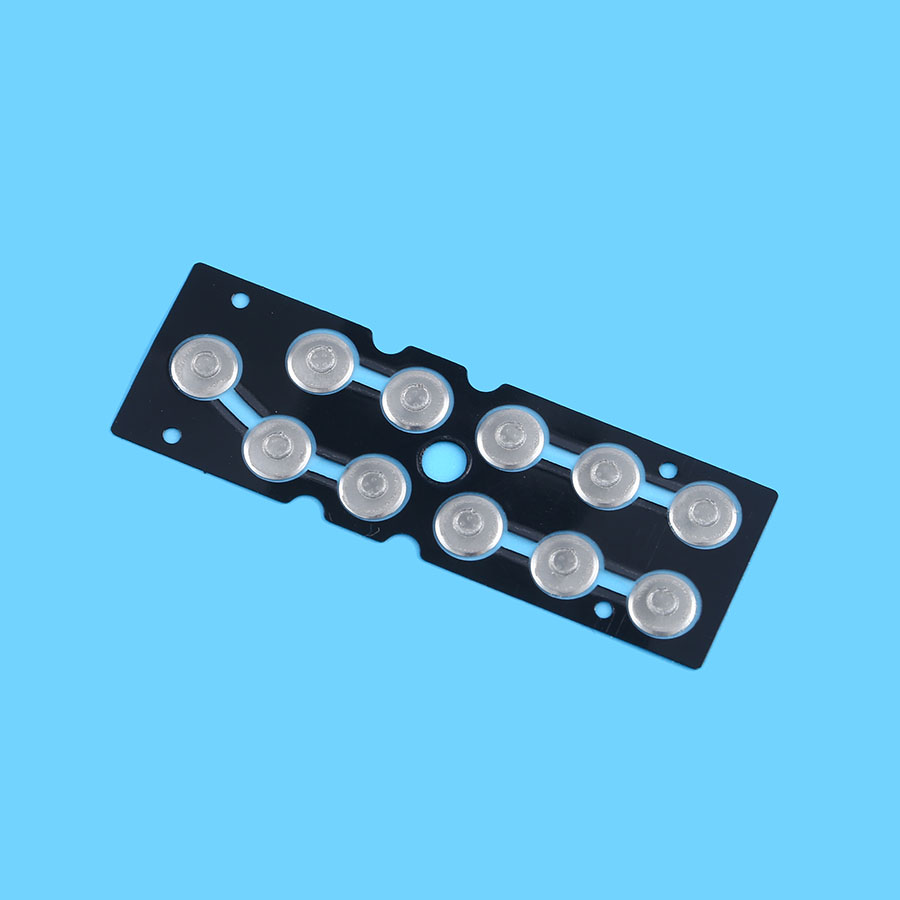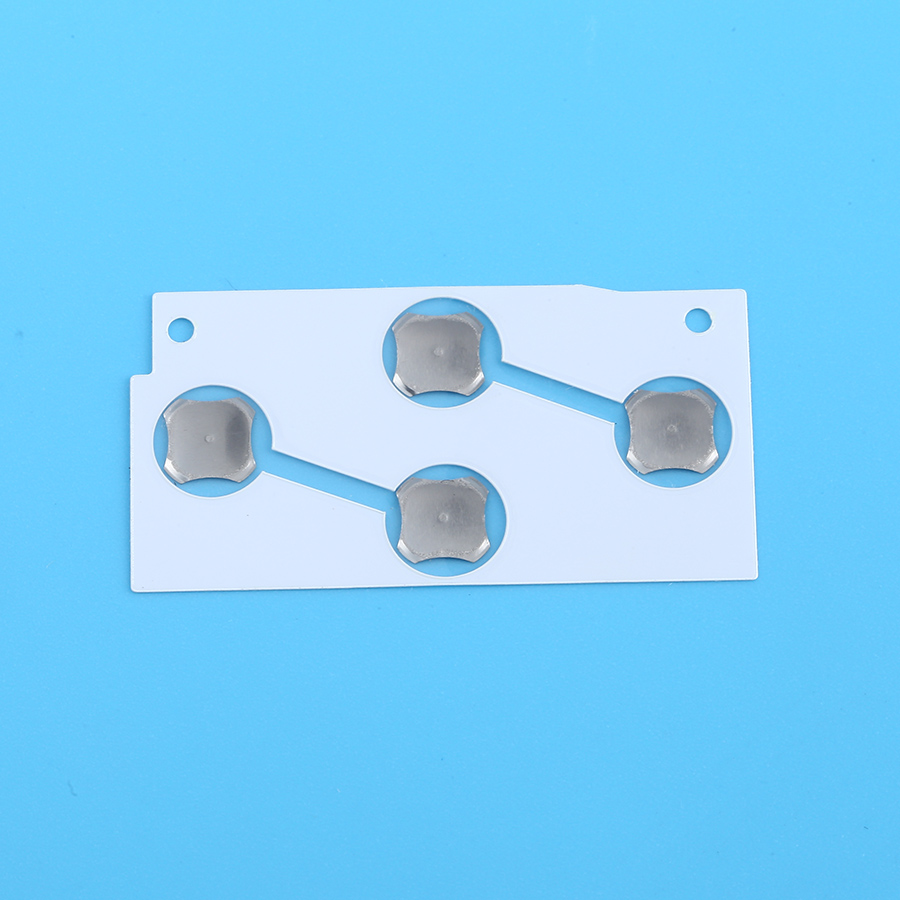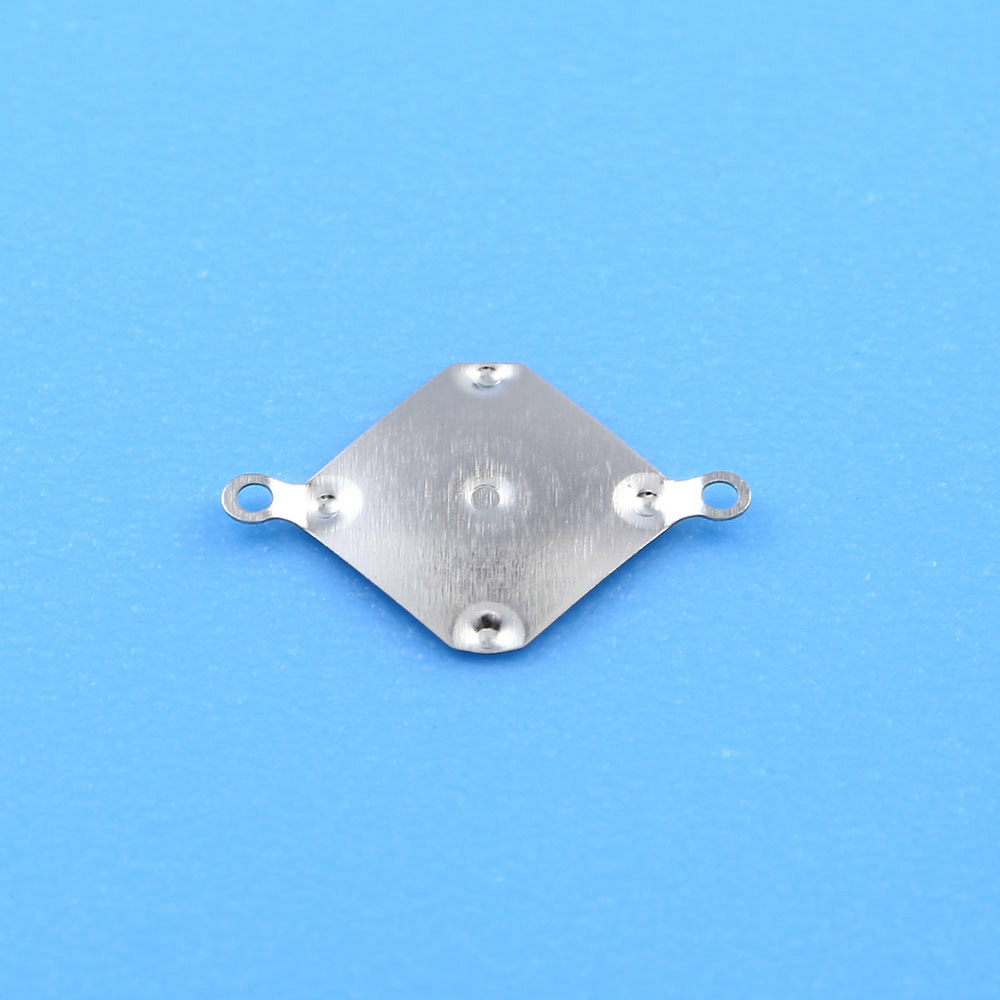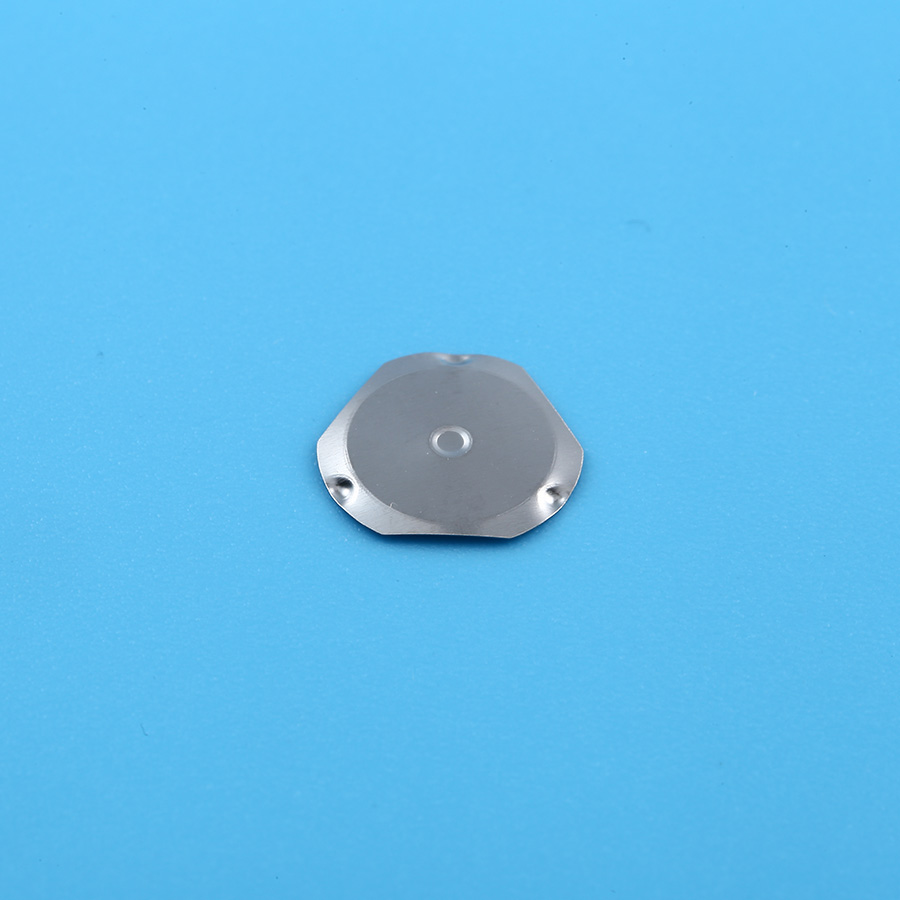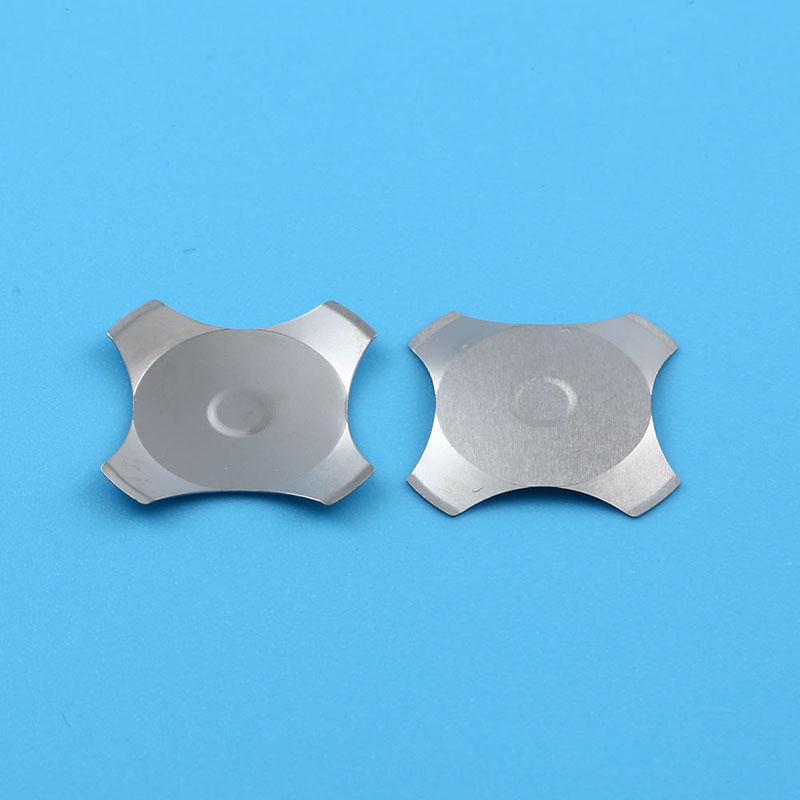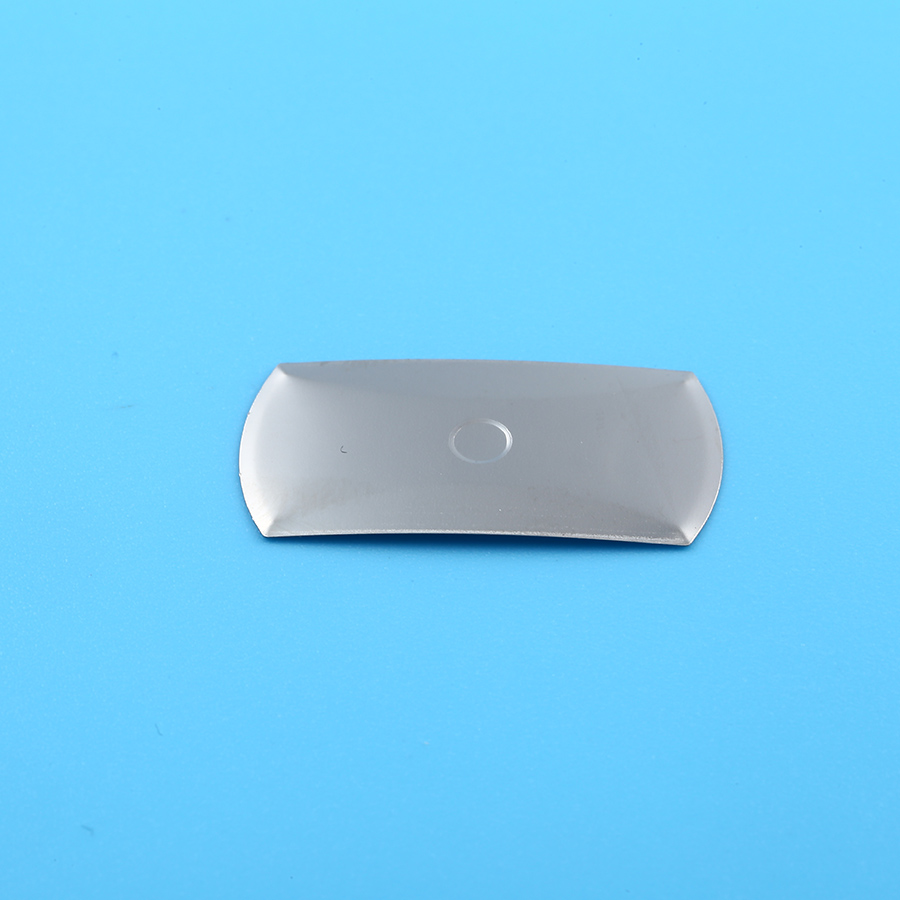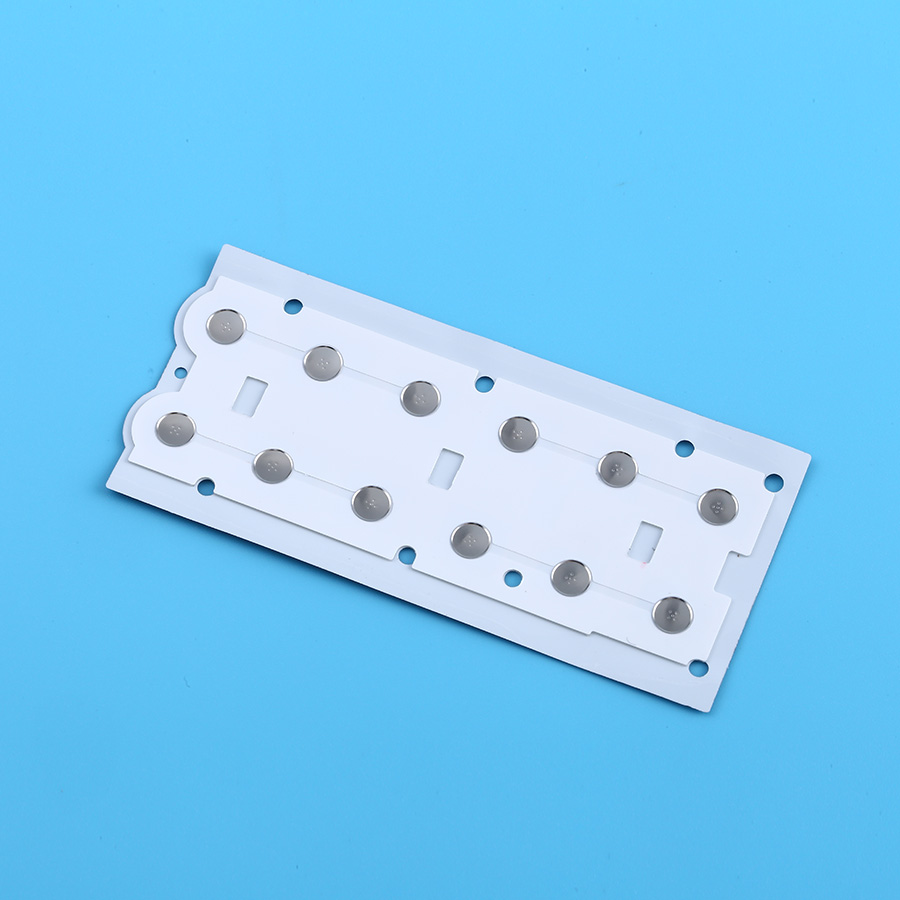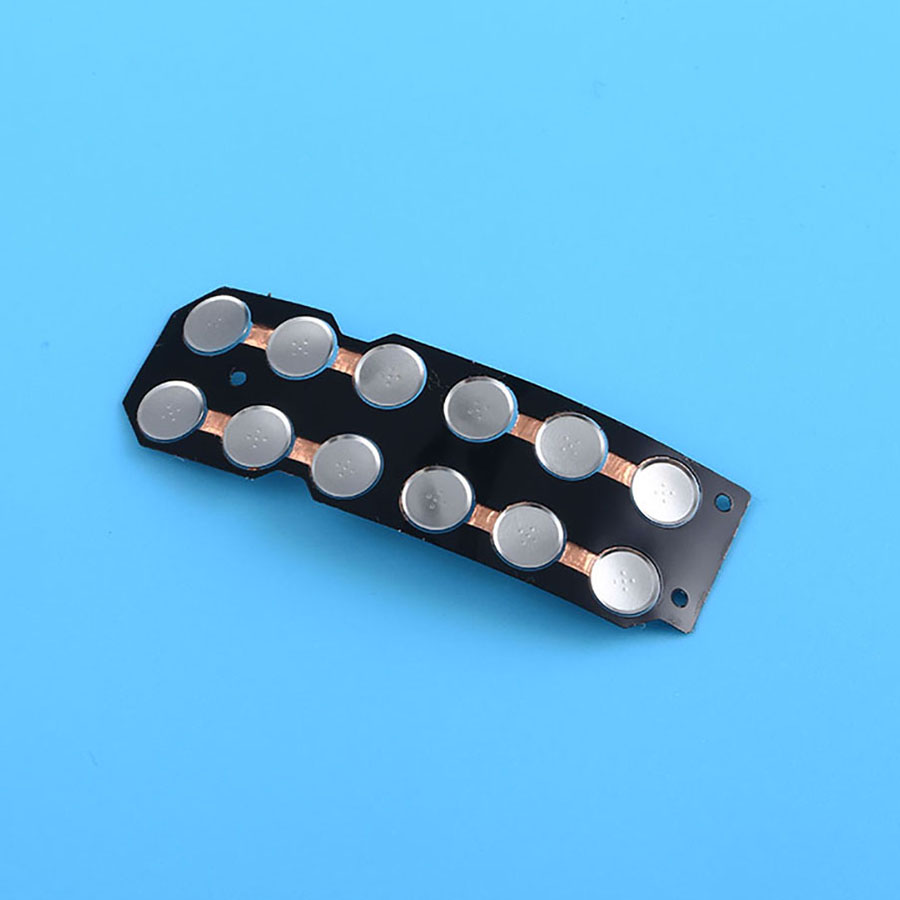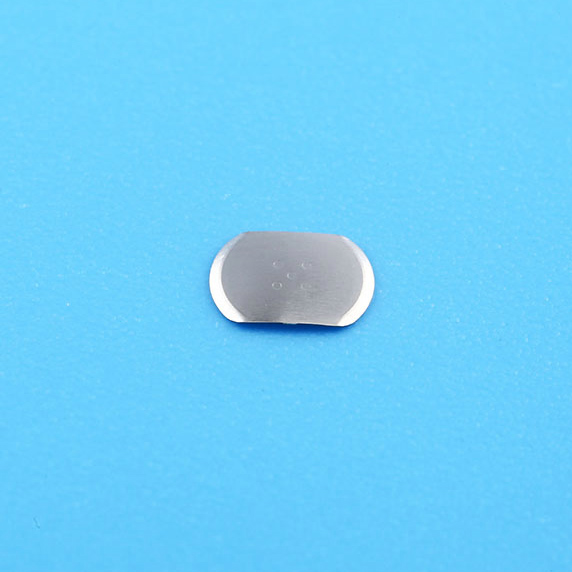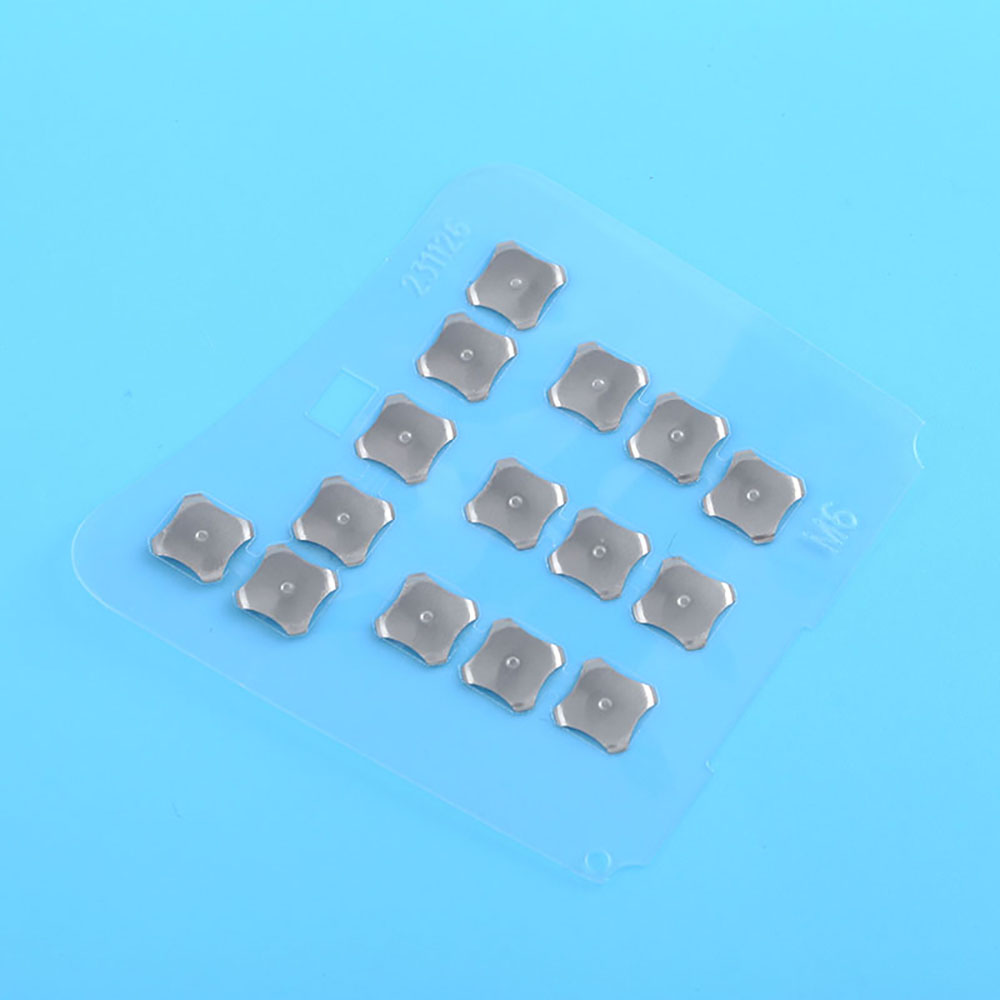

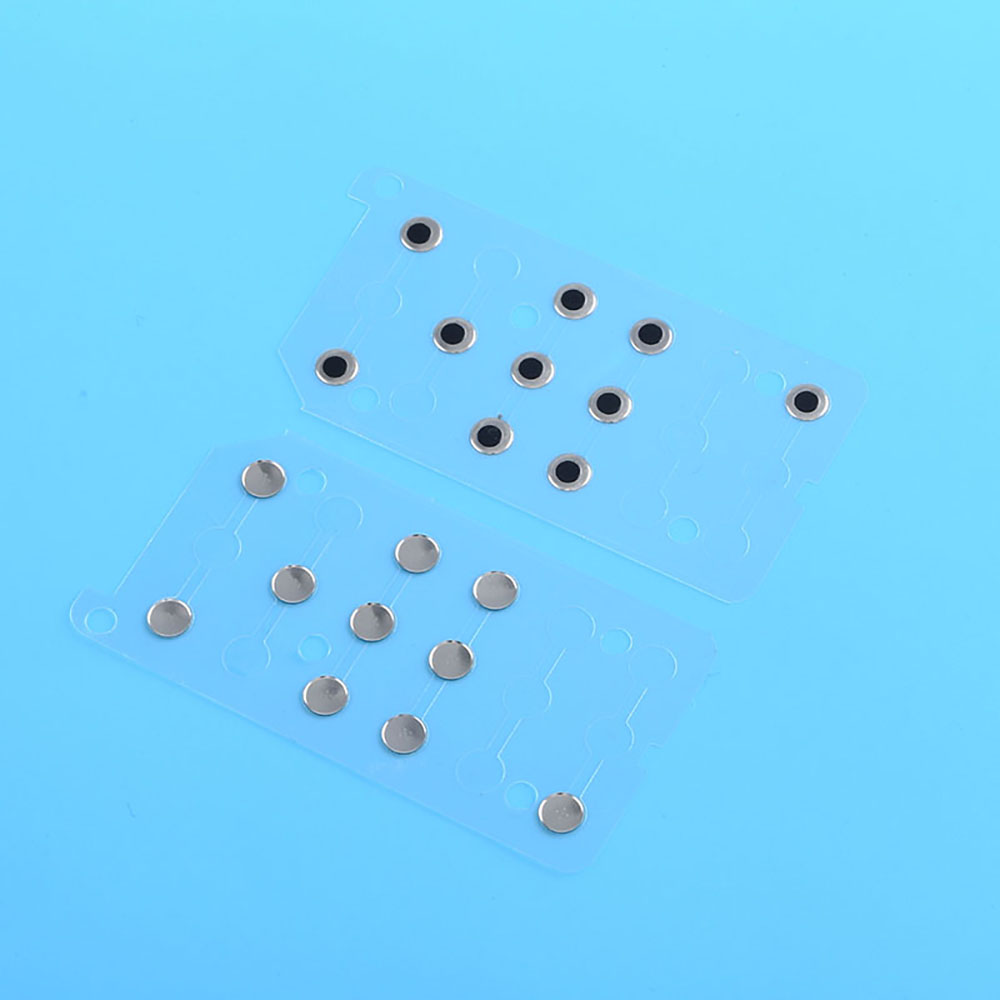
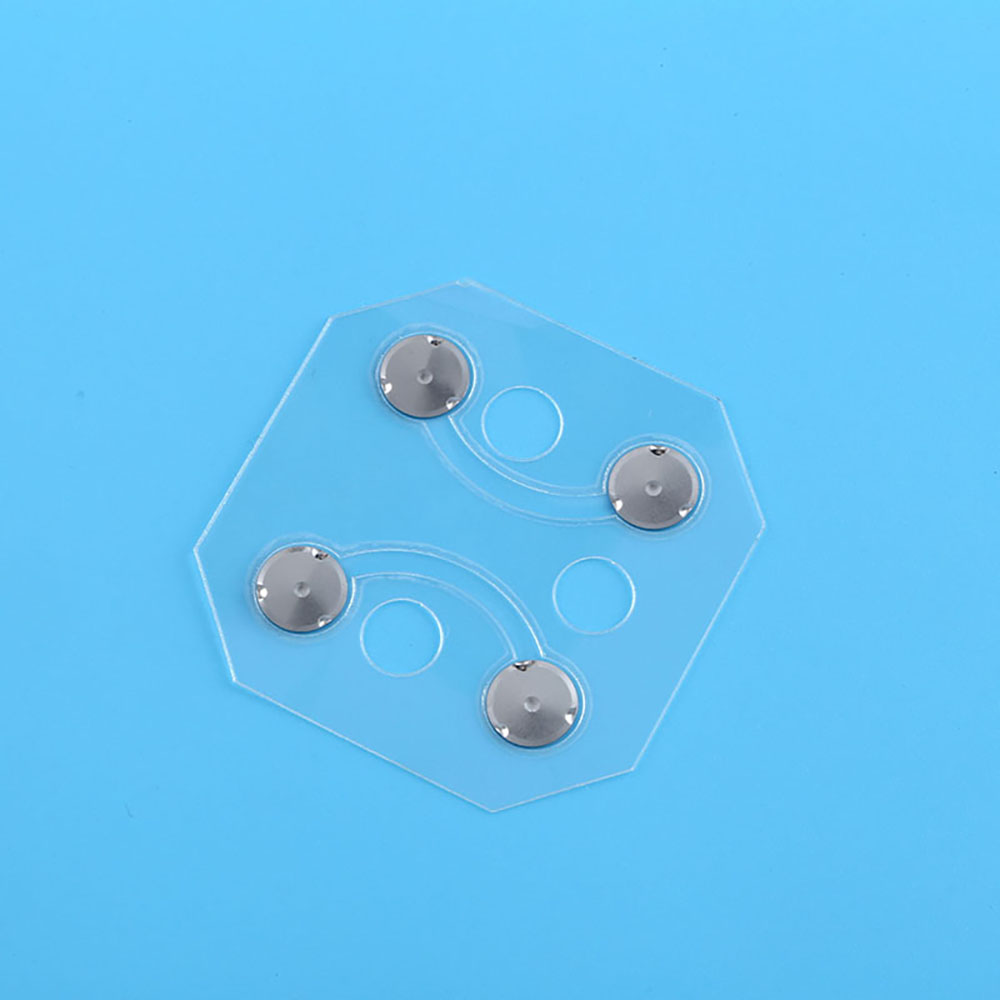
Silver-plated metal dome switches are electrical devices incorporating silver-plated metal domes. Such switches typically comprise components including contact blades, contacts, and spring blades, with the metal spring blade being one of the switch's core components. The metal dome performs the function of conducting and interrupting the circuit within the switch, and its performance directly impacts the switch's electrical characteristics and service life.
Function of Silver Plating Metal Dome
Conductive Properties: Silver is an excellent conductive metal, possessing high electrical and thermal conductivity. Silver-plated metal domes significantly enhance the switch's conductive performance and reduce resistance, thereby improving response speed and stability.
Mechanical Properties: Silver offers superior mechanical properties and corrosion resistance, enhancing the dome's durability and stability to extend the switch's service life.
Aesthetic Quality: The silver plating exhibits reflective properties, imparting superior visual appeal and aesthetic presentation to the switch.
Electronic plating metal dome Application Scenarios
Silver-plated metal dome switches are widely used in various electrical equipment, such as lamps, household appliances, industrial equipment, etc. Due to its excellent electrical conductivity and mechanical properties, silver-plated metal dome switches are particularly suitable for applications that require high strength conductivity and high durability.
Electronic Connectors:
Used in battery contacts and SIM card slots for mobile phones, computers, and other devices to achieve elastic contact and signal transmission.
Switch Components:
Serves as a core component of tactile switches and microswitches, providing rapid switching and tactile feedback.
Electromagnetic Shielding (EMI):
Silver-plated springs act as grounding contacts in shielding covers to suppress electromagnetic interference.
Sensors and Probes:
Spring-loaded probes in high-precision testing equipment rely on silver-plated layers to ensure signal fidelity.
Manufacturing Process of Silver-Plated Metal Dome:
Silver plating encompasses diverse techniques, with electroplating, chemical plating, and thermal plating being commonly employed methods. Electroplating stands as one of the most prevalent approaches. This process involves immersing an object in an electrolyte solution and connecting it to a power source via a capacitor, whereby electrons deposit a metallic layer upon the object's surface to form a thin metal film.
In summary, silver-plated metal dome switches, owing to their superior electrical conductivity, mechanical properties, and aesthetic appeal, have found extensive application across diverse electrical equipment.
The Difference Of Three Kinds Plating Of Metal Dome
Recently, some customers have enquired about the plating types for metal domes (spring domes) and their distinctions. We currently offer three plating options: nickel plating, silver plating, and gold plating.
Based on customer requirements, we provide three plating types for metal domes: nickel plating, silver plating, and gold plating. All three coatings are applied to the contact surface (a double-sided plating process is also available). Their primary function is to reduce contact resistance and enhance electrical conductivity. The contact resistance values are ranked as follows: gold < silver < nickel. While these coatings effectively lower contact resistance, they also increase costs, with gold plating in particular commanding several times the price.