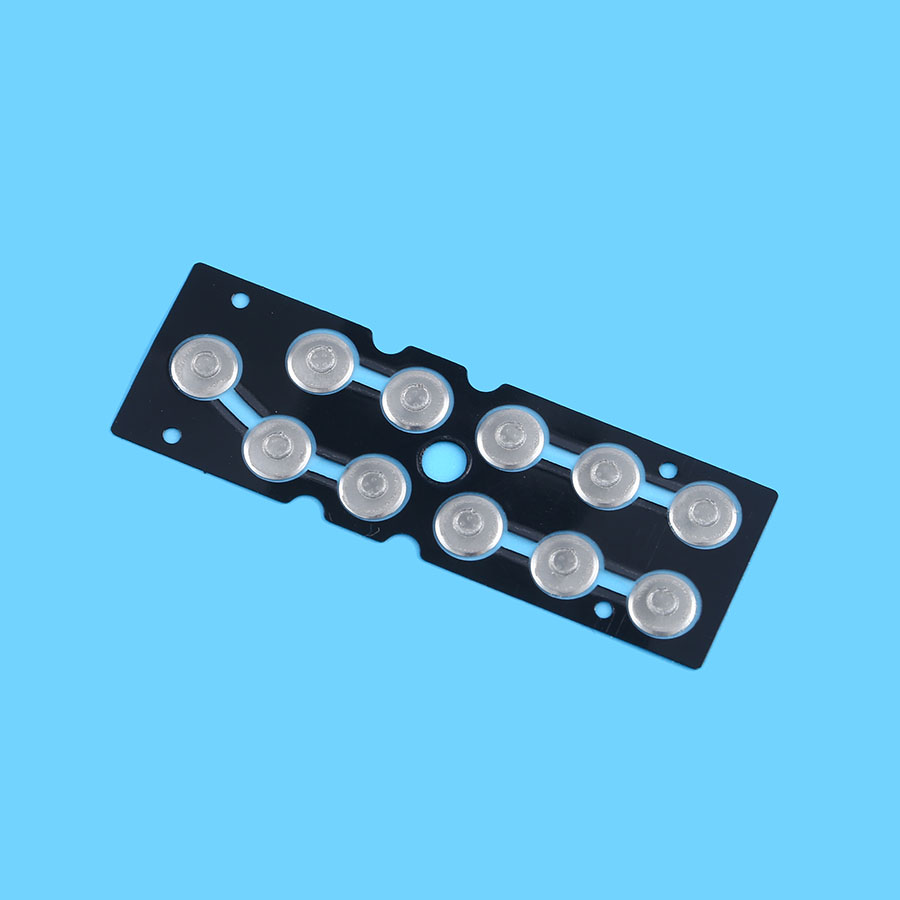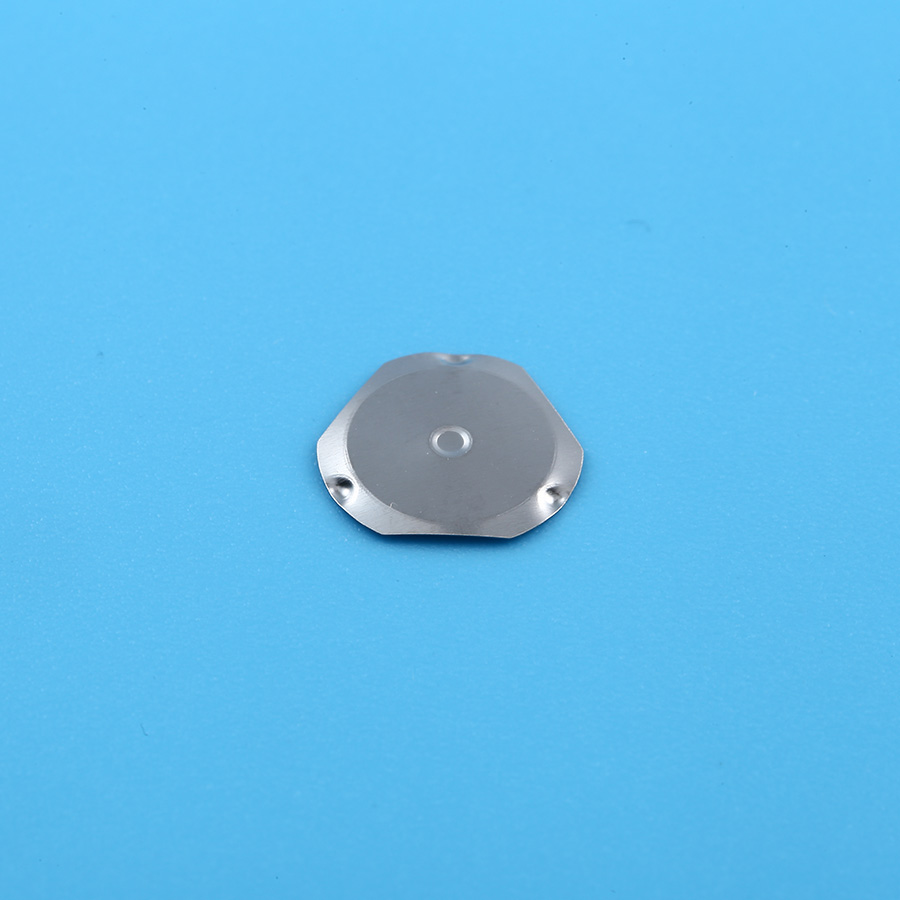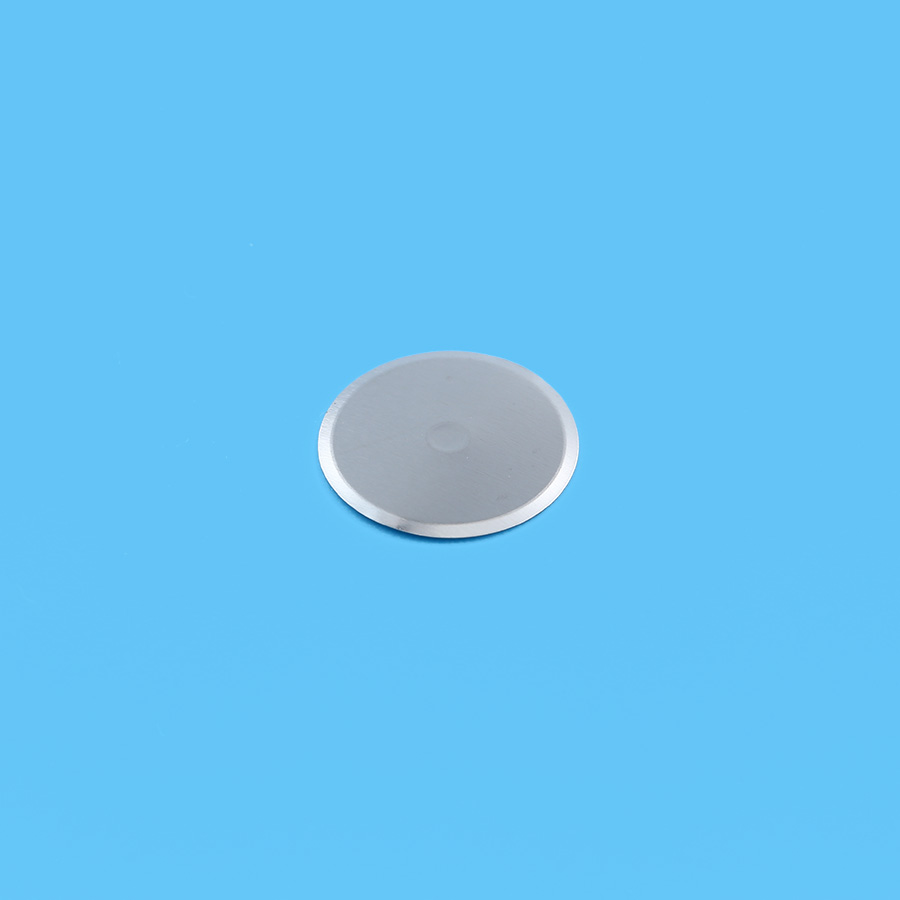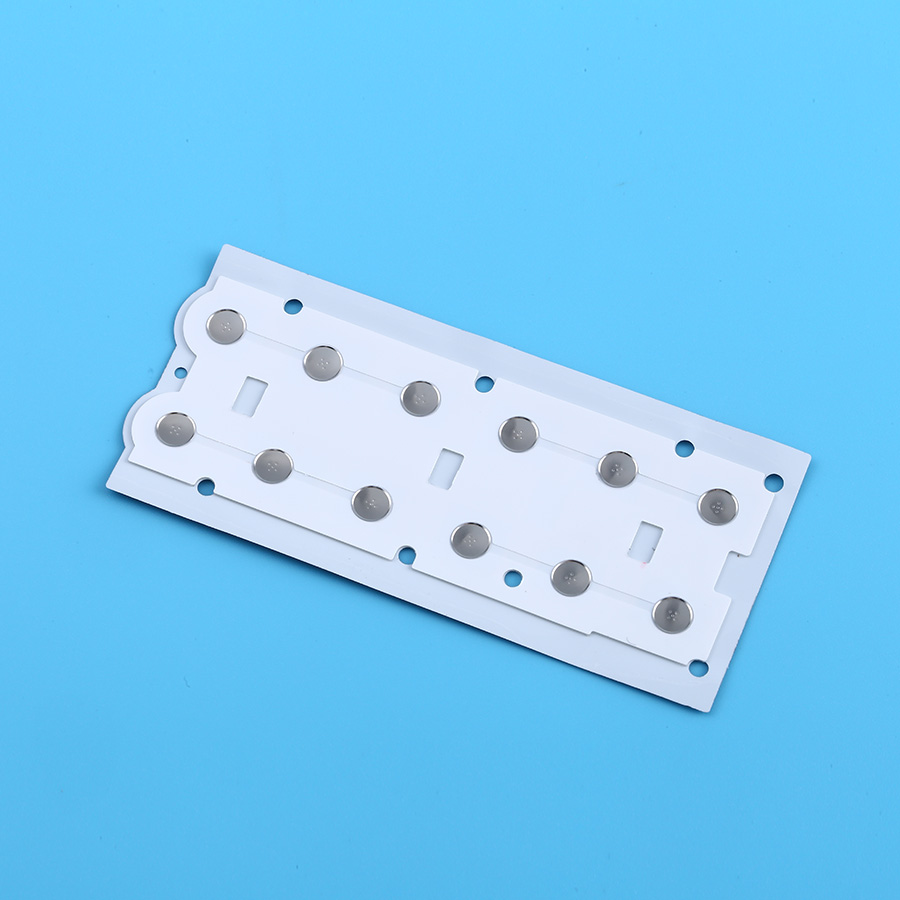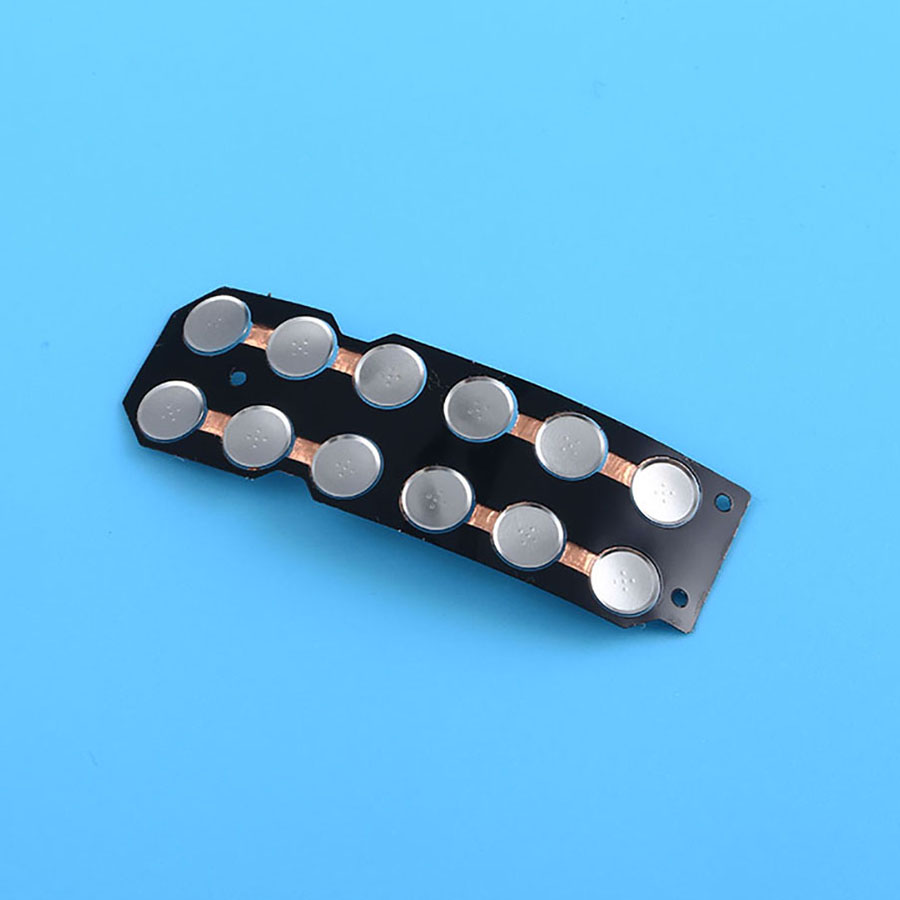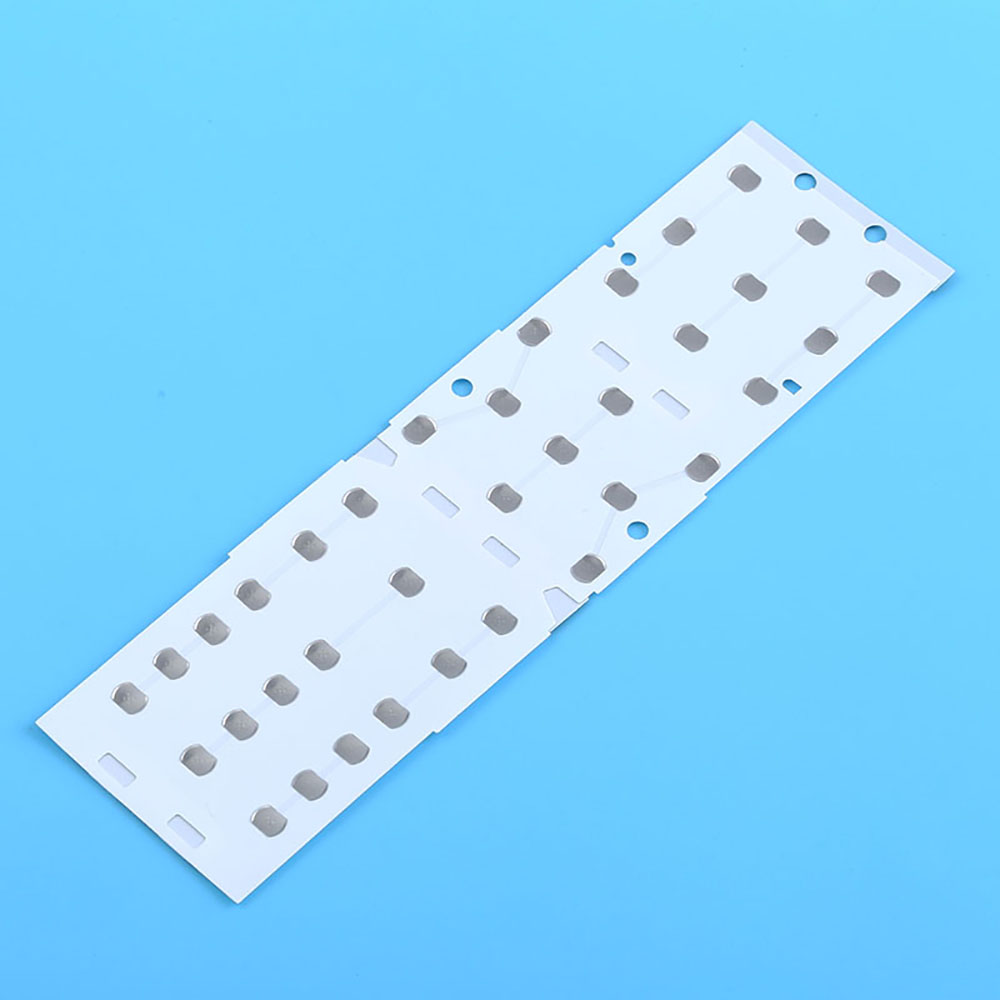
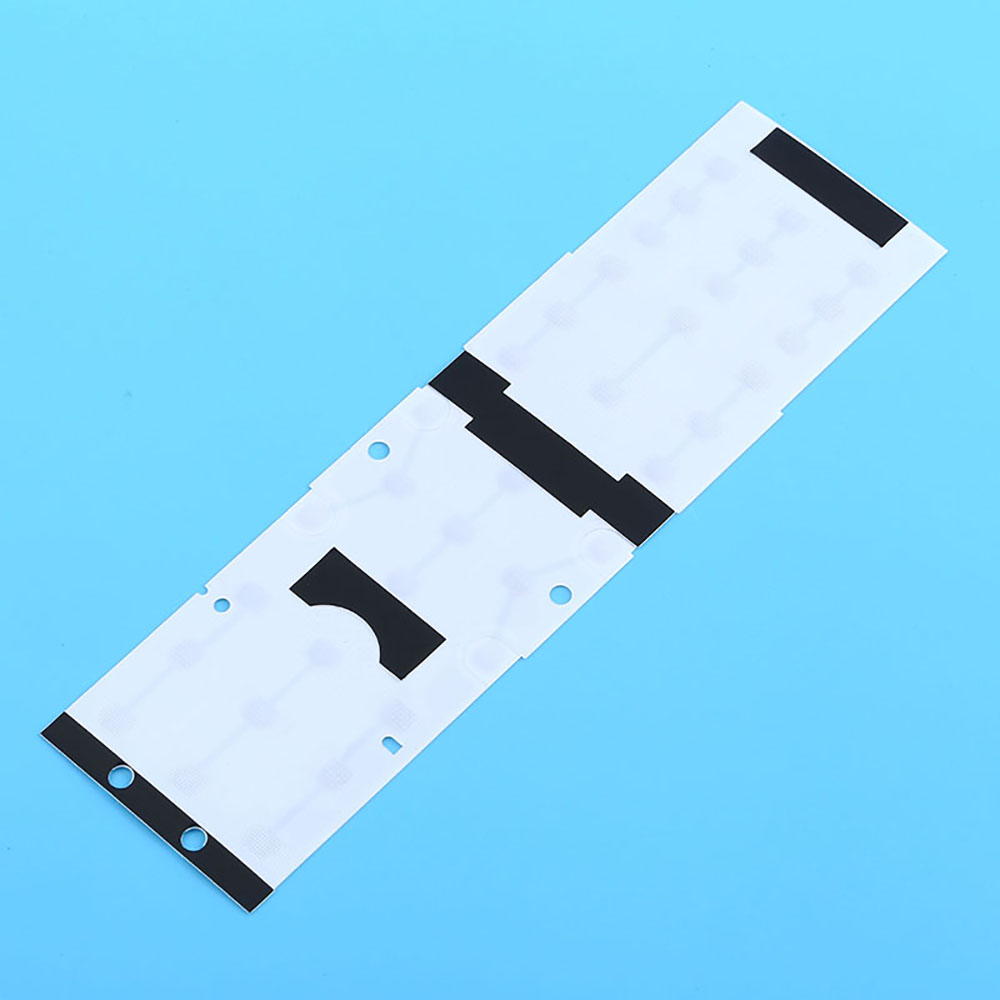

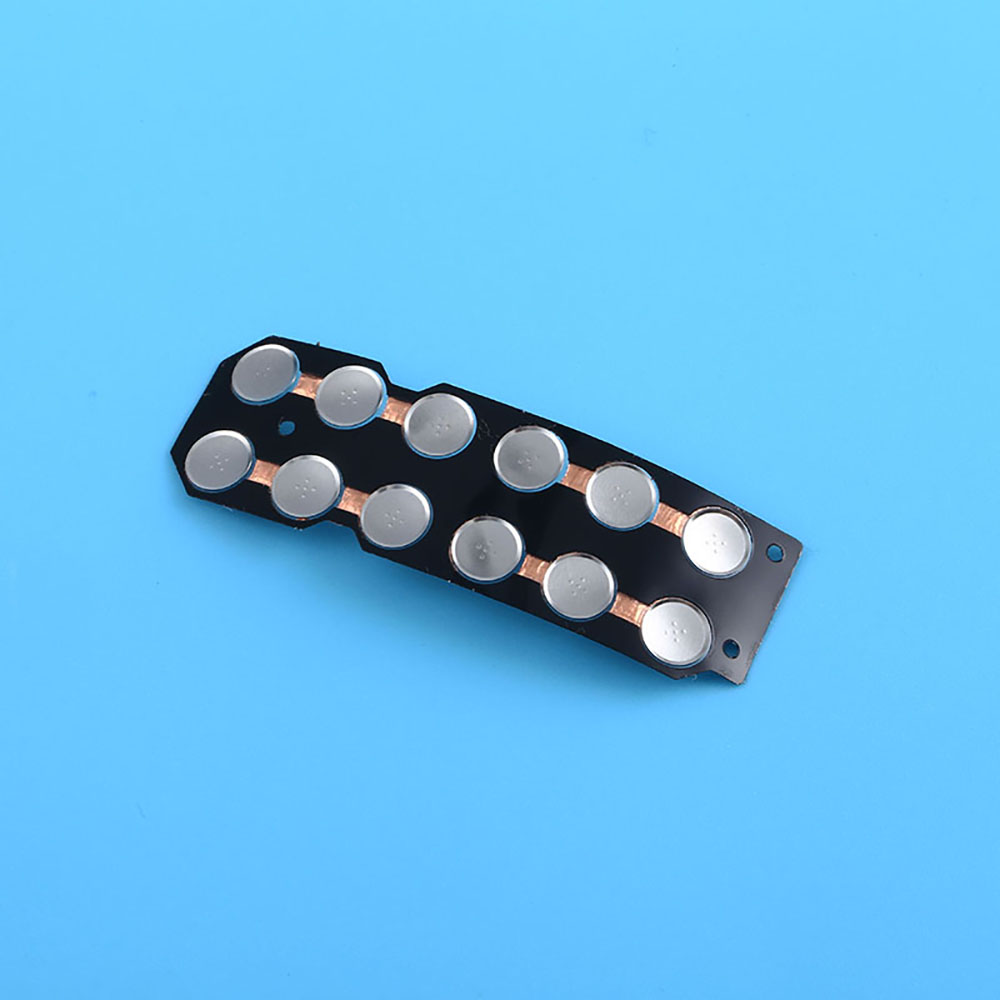
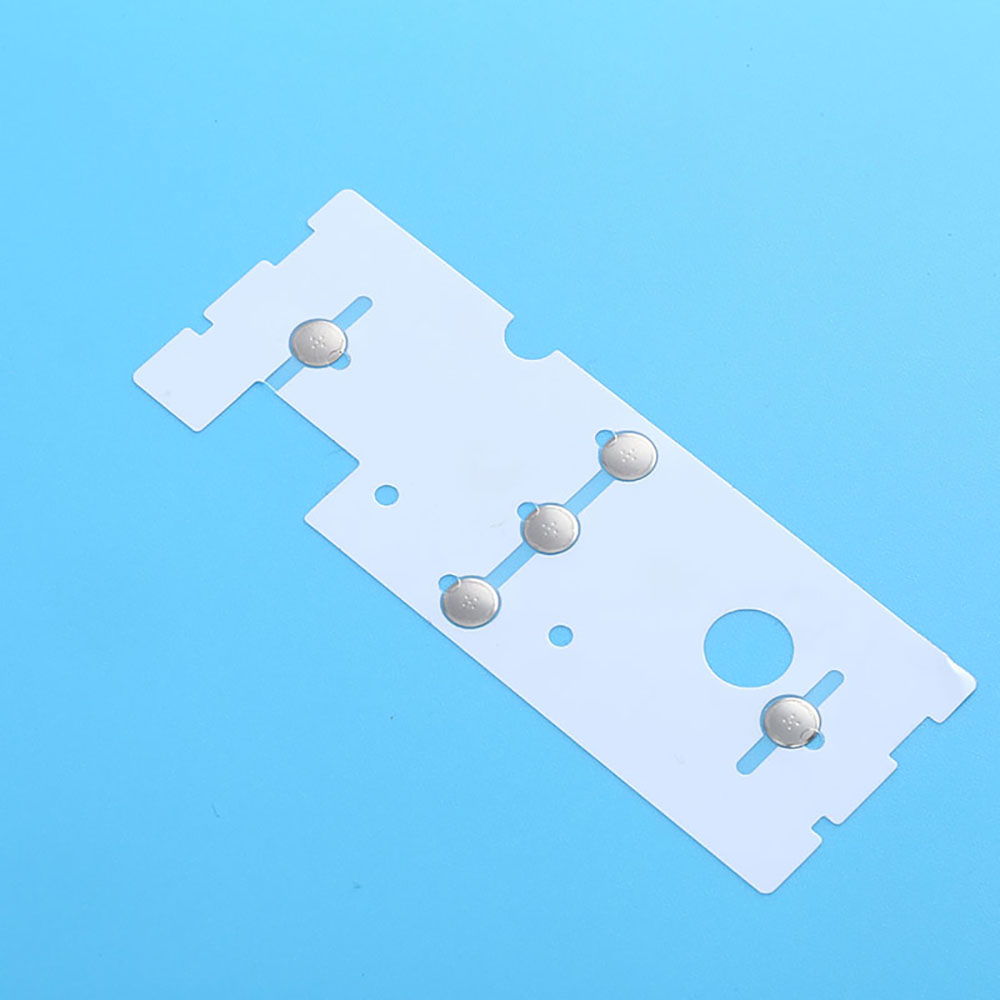
Round Circle Metal Dome Arrays are the most commonly used series of switches, primarily used in mobile phones, MP3 players, MP4 players, digital cameras, and membrane switches.
There are two types of materials used for Circle Metal Dome Arrays: stainless steel (SUS301 and SUS304) and phosphor bronze (single-sided silver-plated). Due to their regular shape, these springs are less affected by impact, resulting in a typical lifespan of one million cycles.
When there is limited space on the PCB but tactile feedback and rebound performance are required, and strict longevity standards are in place, circular metal dome switches are the optimal choice. In China, the metal dome switches used in mobile phones are generally of the circular type.
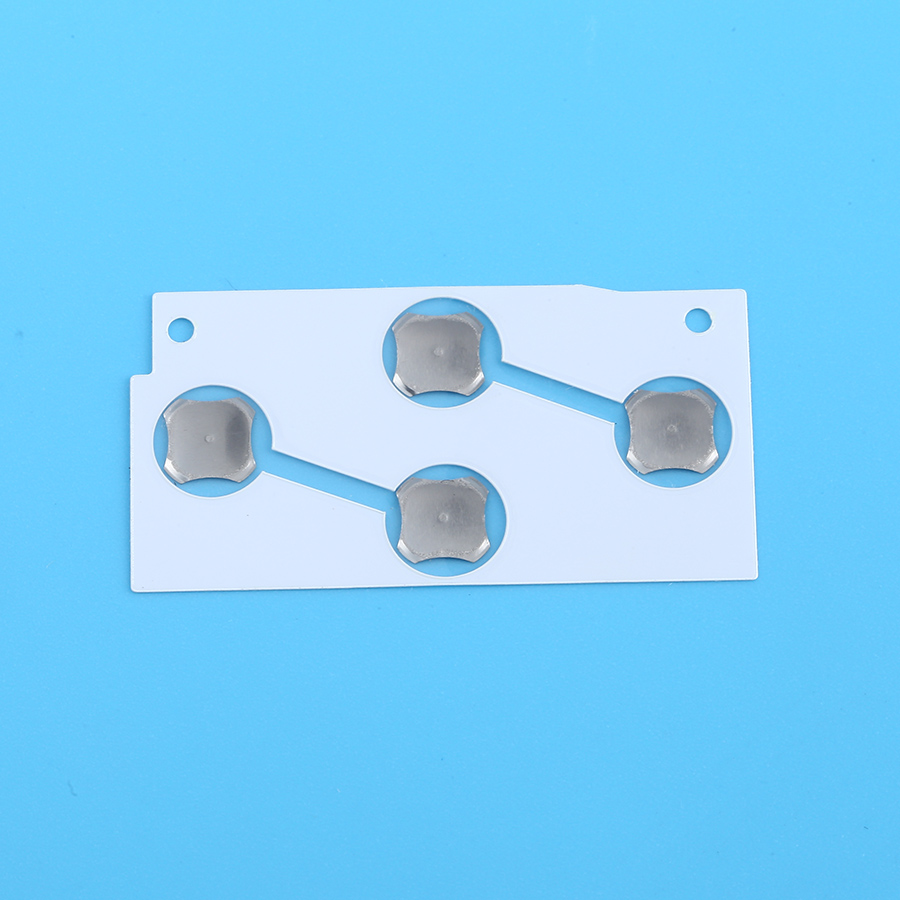
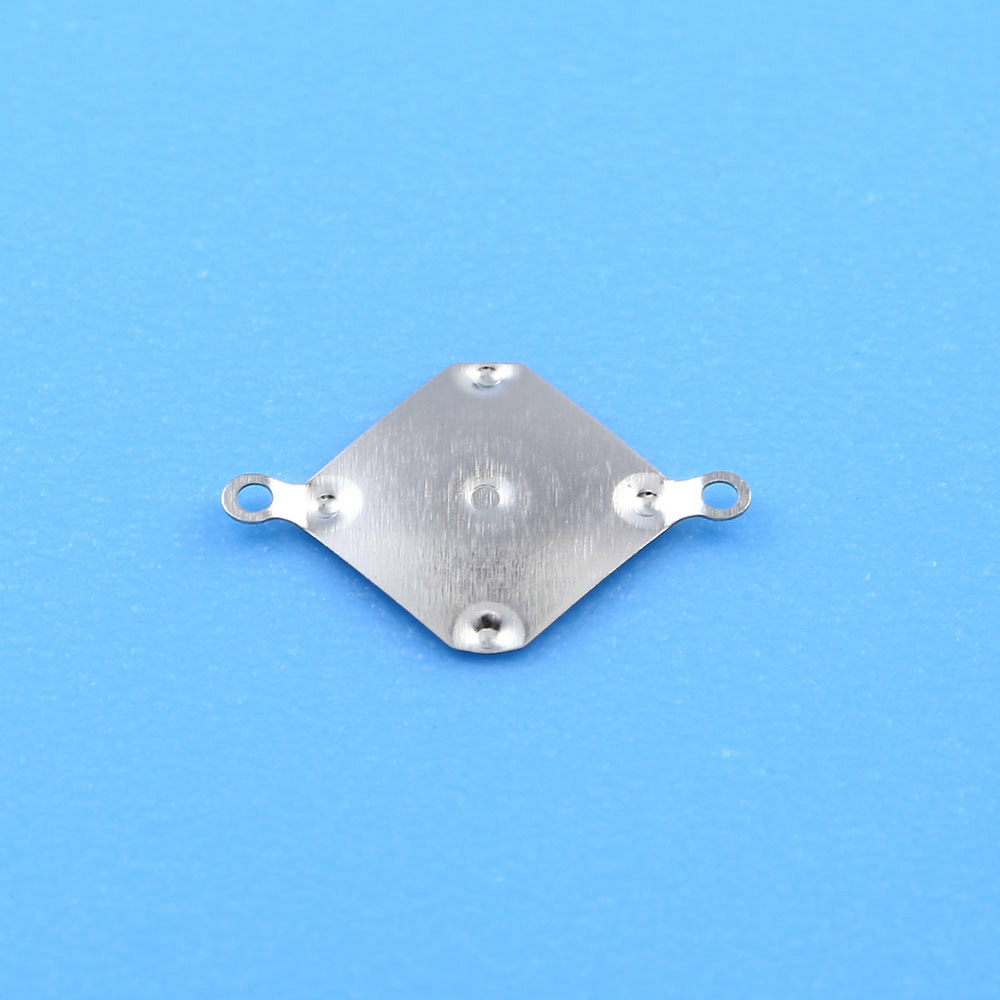
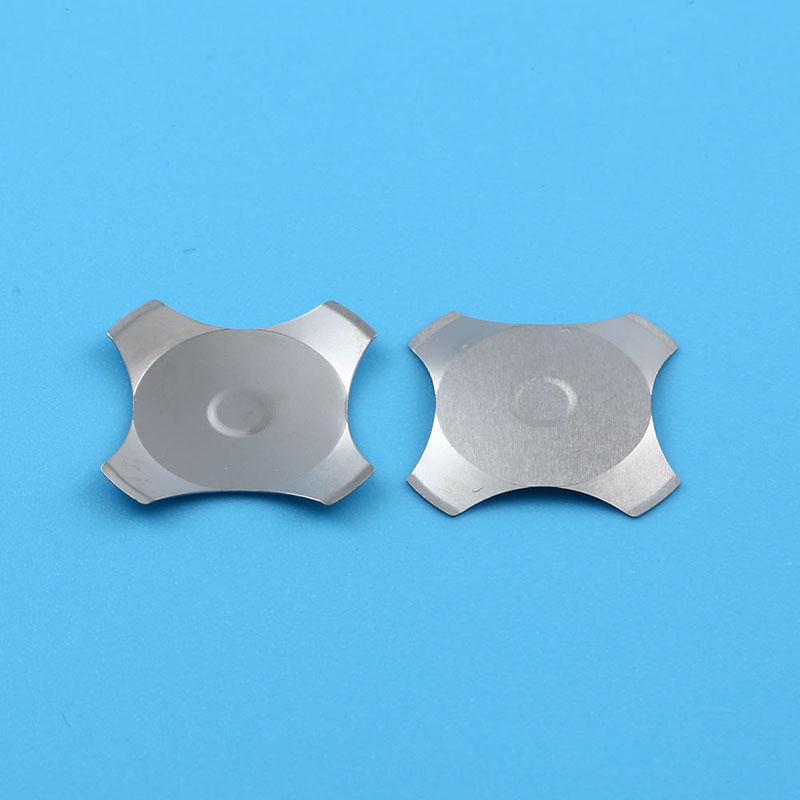
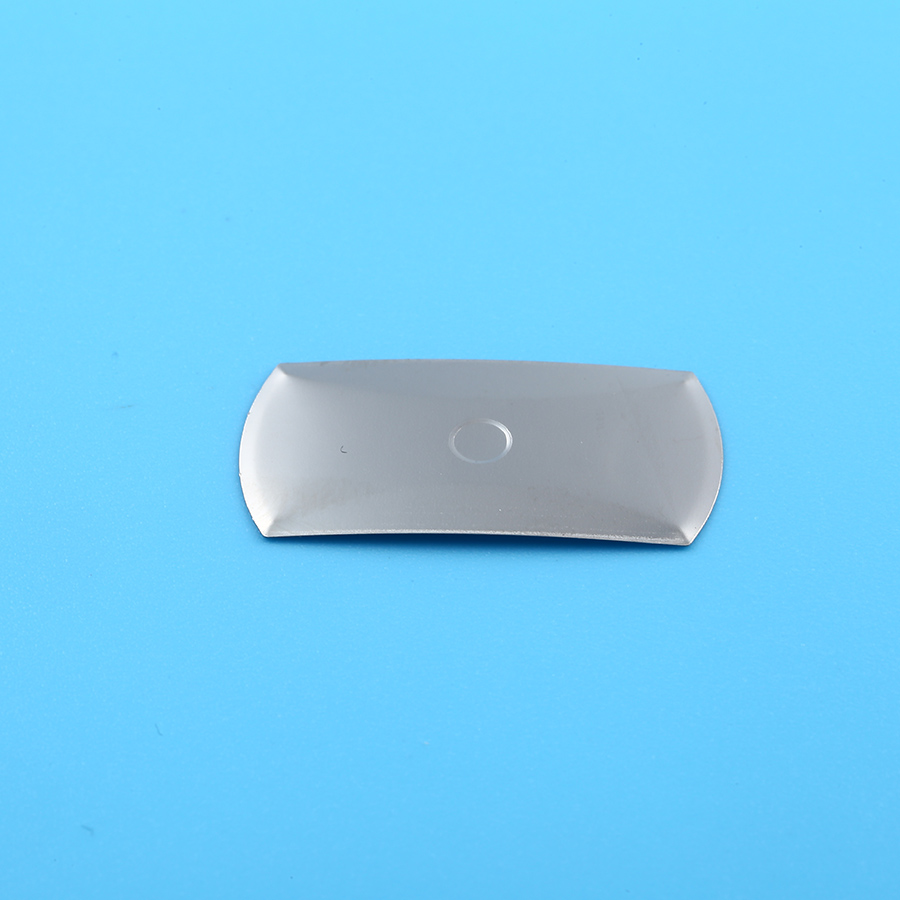
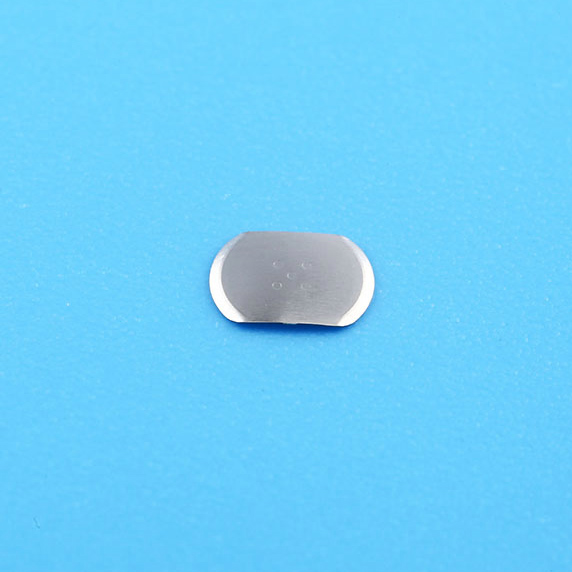
In addition to conventional circular, triangular, cross-shaped, and oval pot pieces (metal springs), our company also designs and manufactures special shapes to meet the needs of different customers.
Advantages of Our Circle Metal Dome Array
Stability and reliability: The circular pot-shaped design ensures stability during use and is not easily affected by lateral pressure, thereby improving the reliability and durability of the equipment.
Versatility: Circle metal dome array are commonly used in capacitive composite keypad arrays for touch-sensitive remote controls. They can be combined with U-shaped touch keys to form composite keypad arrays. This design not only offers multiple functions but also makes operation more convenient and diverse.
Cost-effectiveness: Circle metal domes are typically made of metal, offering excellent conductivity and mechanical strength, making them suitable for large-scale production and application. Their low-cost and high-efficiency production methods enable broader application in electronic devices.
Design flexibility: Circle metal domes can be customized according to specific requirements, supporting designs of various shapes and sizes to meet the needs of different electronic devices, thereby increasing design flexibility and diversity.
Which Metal Dome Shape Is Best for Your Application?
Selecting the optimal metal dome shape depends on the button's usage and the desired tactile experience.
Consumer electronics: Four-legged domes are commonly used in devices such as remote controls, keyboards, and calculators.
Medical equipment: Round domes are favoured for their consistent response and gentle tactile feedback, minimising user fatigue during repetitive operations.
Automotive Panels: Oval domes excel in dashboard or steering wheel control zones, maintaining stability even in vibratory environments.
Industrial Equipment: In harsh conditions, triangular domes are favoured for their sharp response and distinct tactile feedback, providing operators with clear operational confirmation.
Actuation force (the pressure required to depress the dome) is equally critical: higher actuation force delivers a more substantial tactile sensation, while lower actuation force offers a softer feel.
Therefore, selecting the dome type necessitates a comprehensive assessment of user preferences, product environment, and design objectives. The optimal form represents the equilibrium point between comfort, performance, and durability.
What Material Is the Best Metal Dome?
Most metal domes are crafted from stainless steel, typically in grades SUS301 or SUS304. This material is highly regarded for its elasticity, electrical conductivity, and corrosion resistance, capable of withstanding millions of flex cycles without deformation. This property is crucial for products requiring long-term stable performance.
In environments involving moisture or chemical exposure, nickel-plated stainless steel domes offer enhanced protection. The nickel coating improves conductivity and prevents oxidation, thereby extending the dome's service life.
For specialised applications such as medical devices or aerospace equipment, domes may undergo gold plating. This treatment not only further enhances electrical conductivity but also provides exceptional corrosion resistance.
When selecting materials, both performance and cost must be considered. Stainless steel strikes the perfect balance between the two – robust, resilient and affordable. For most designs, it remains the preferred material for metal domes.