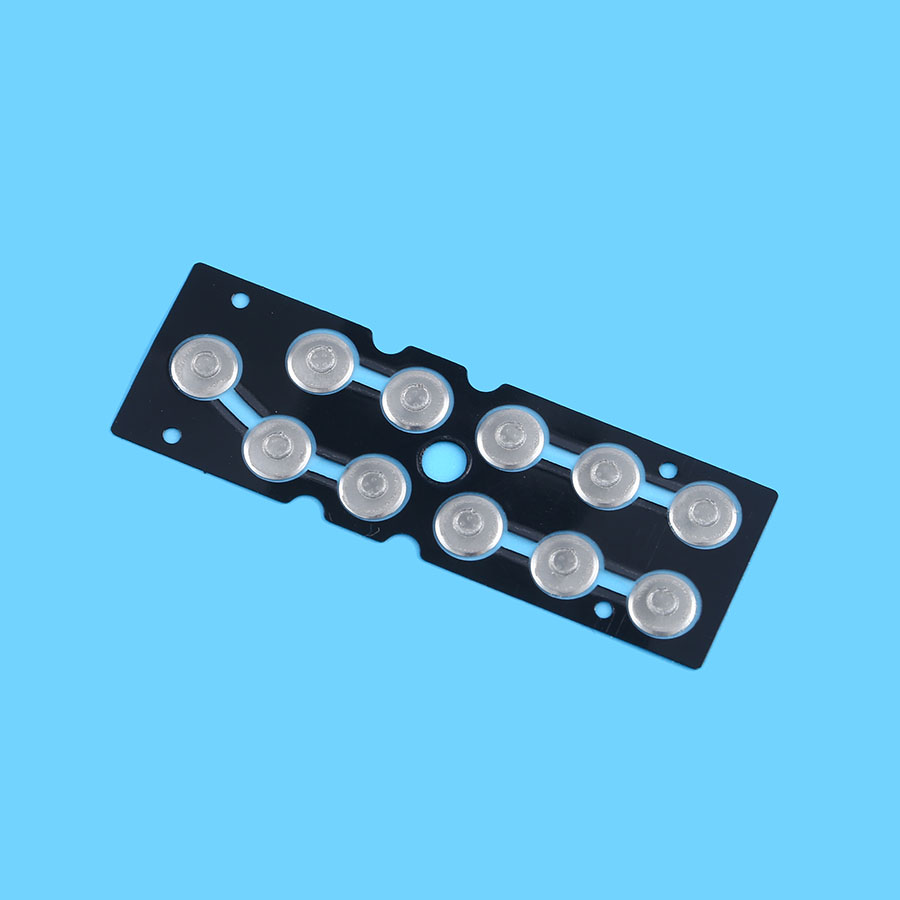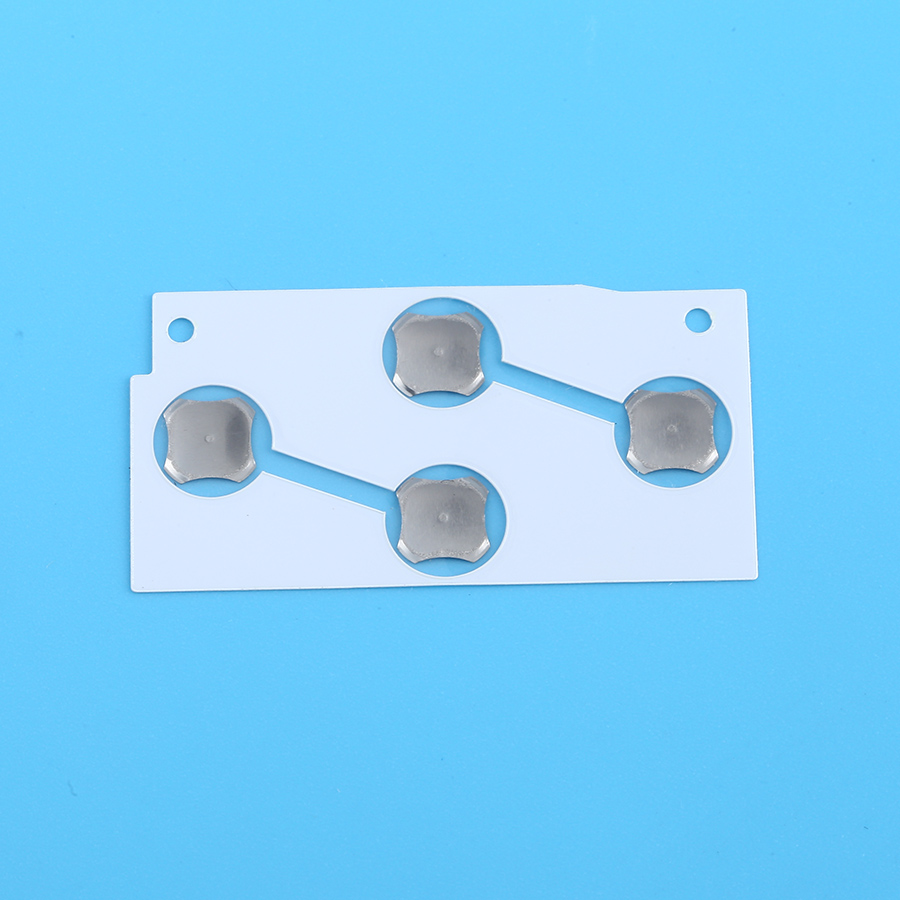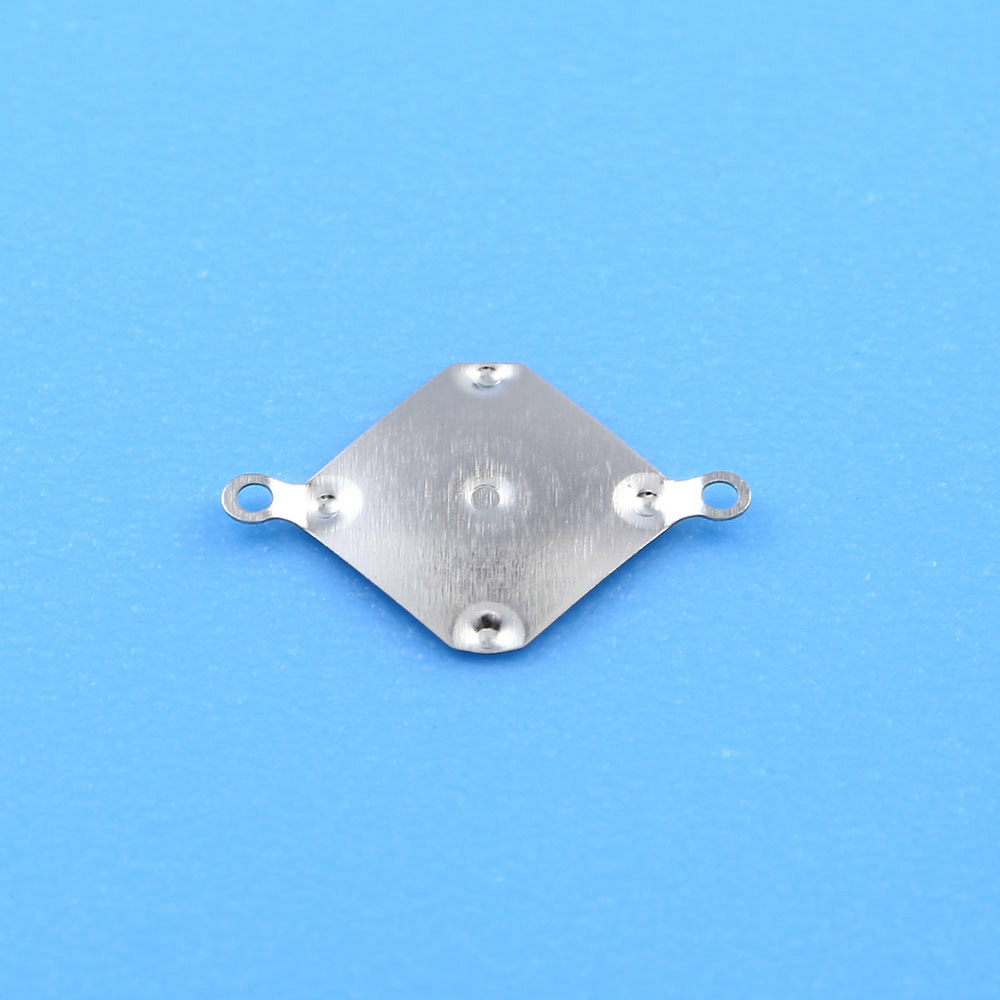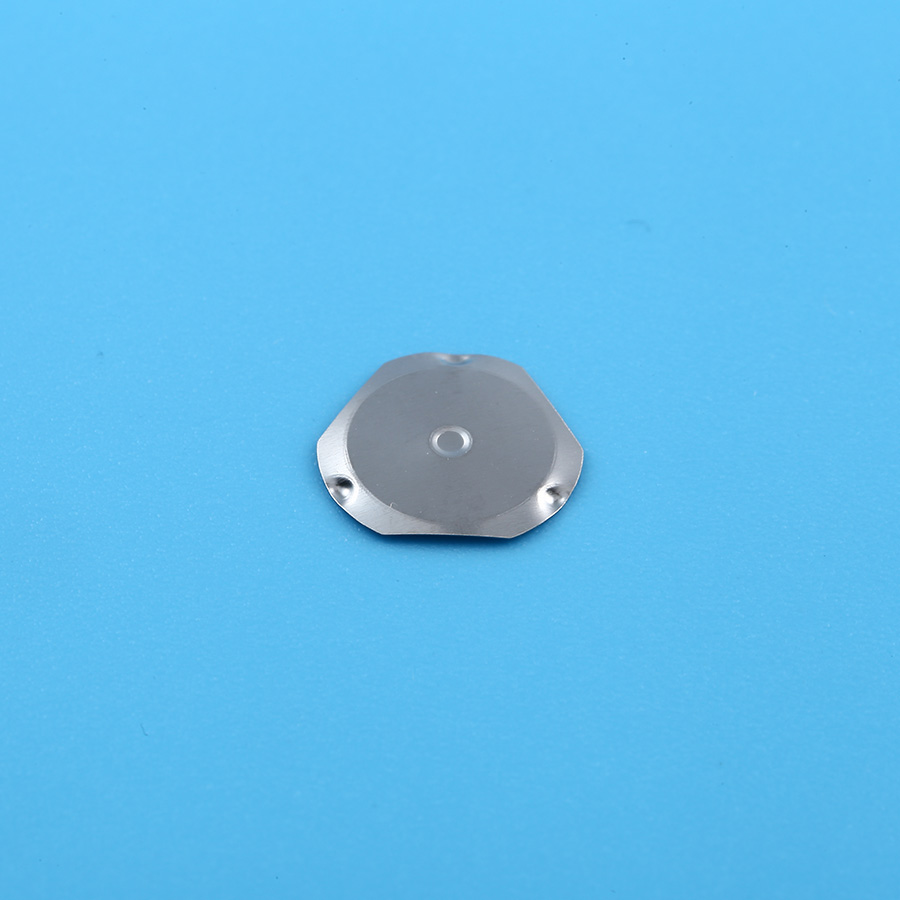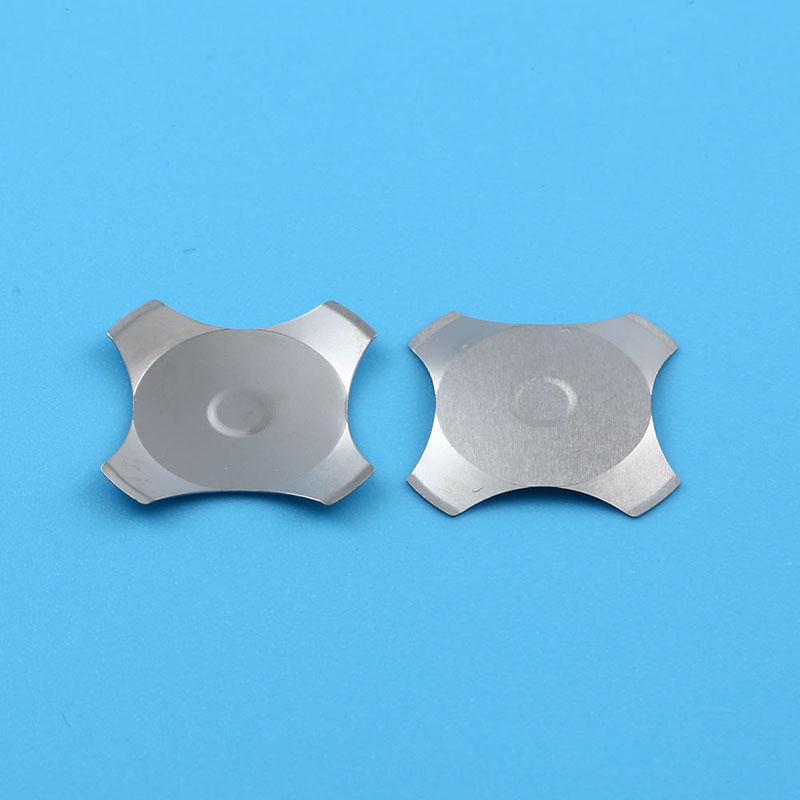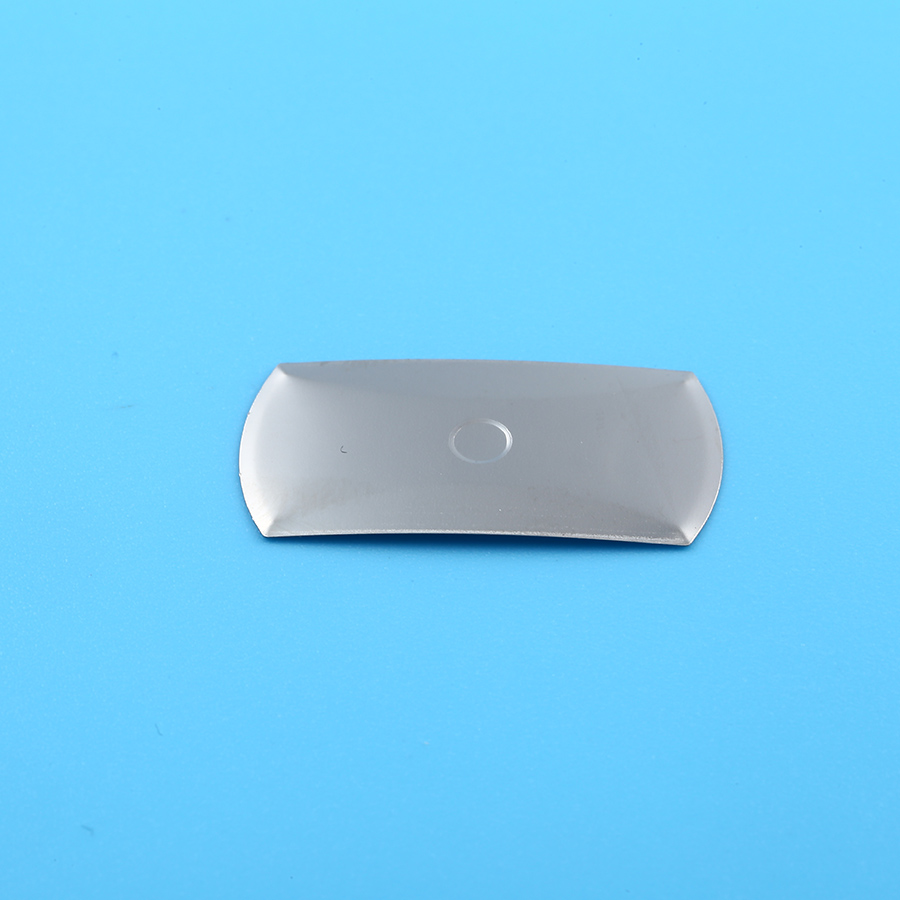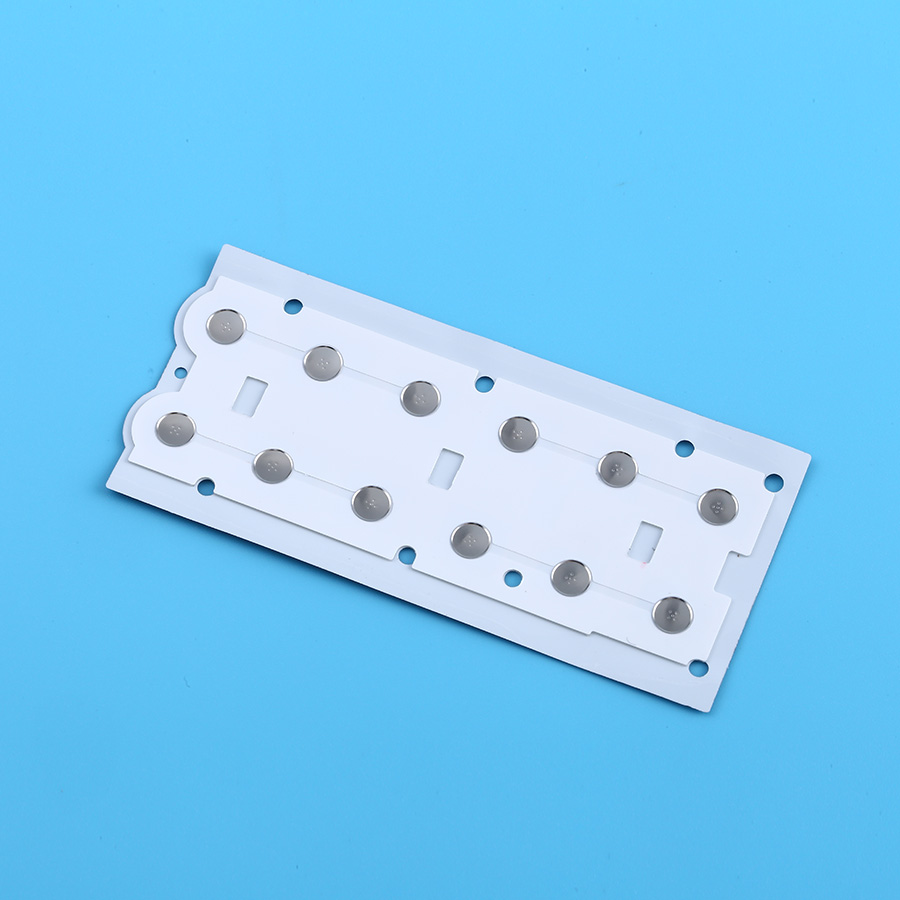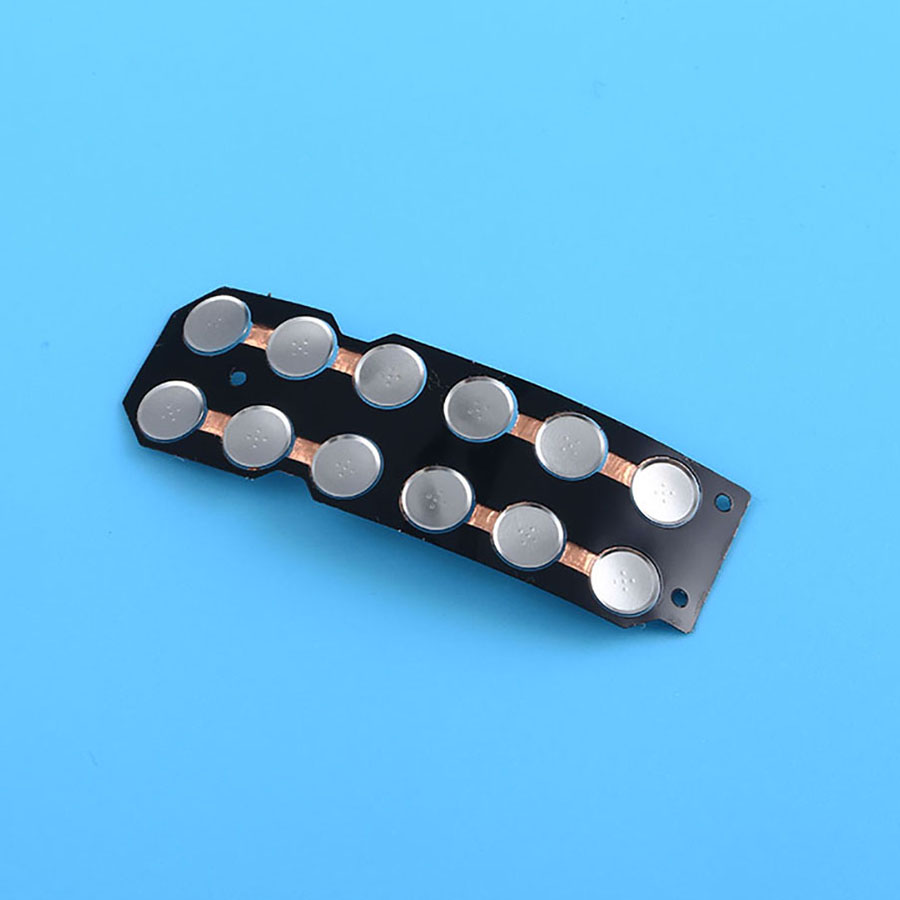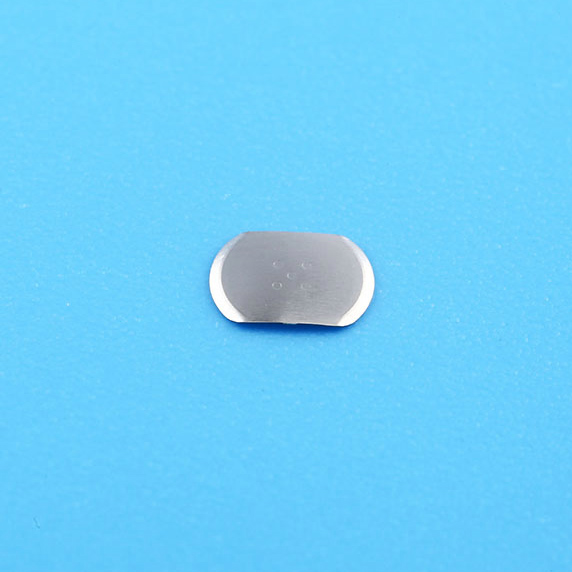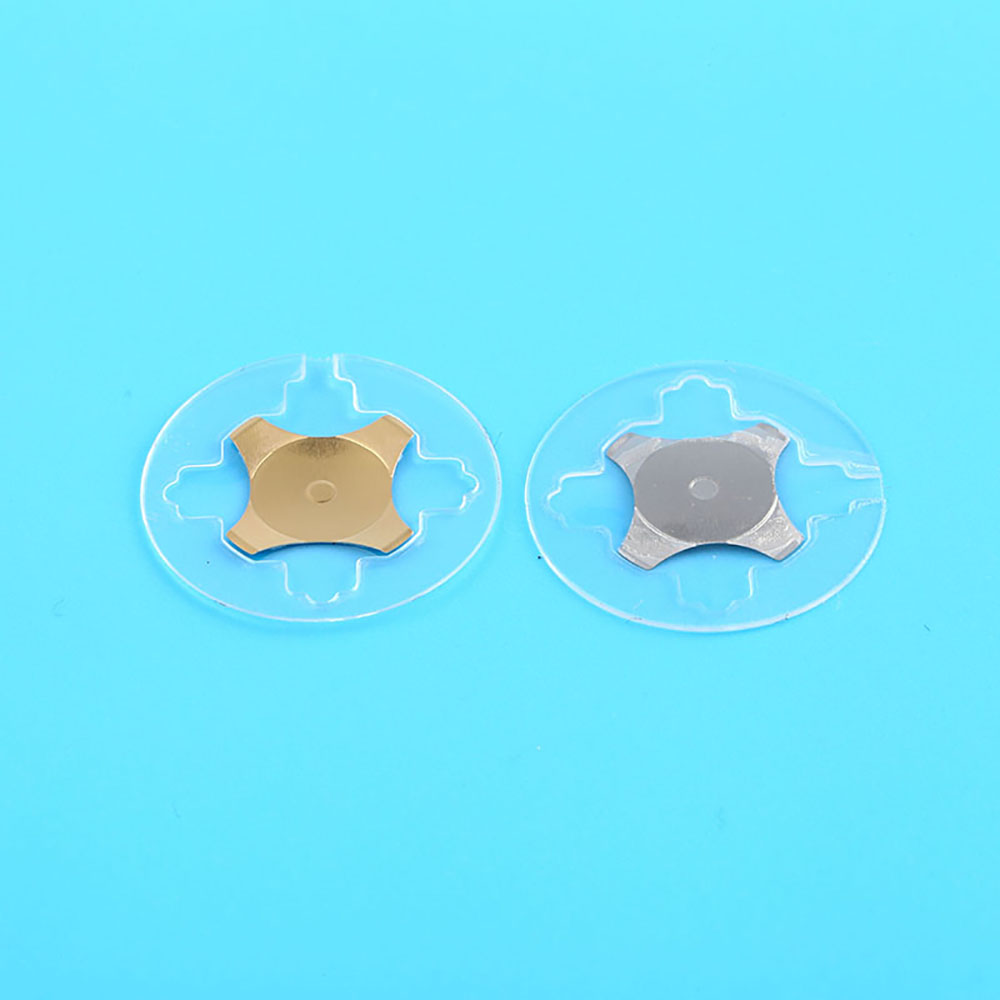
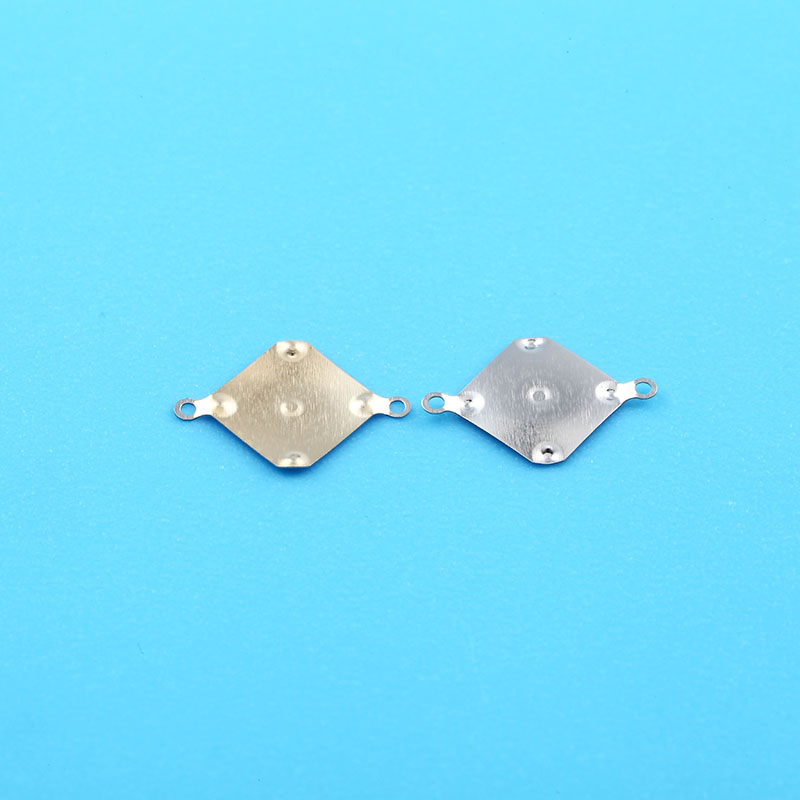
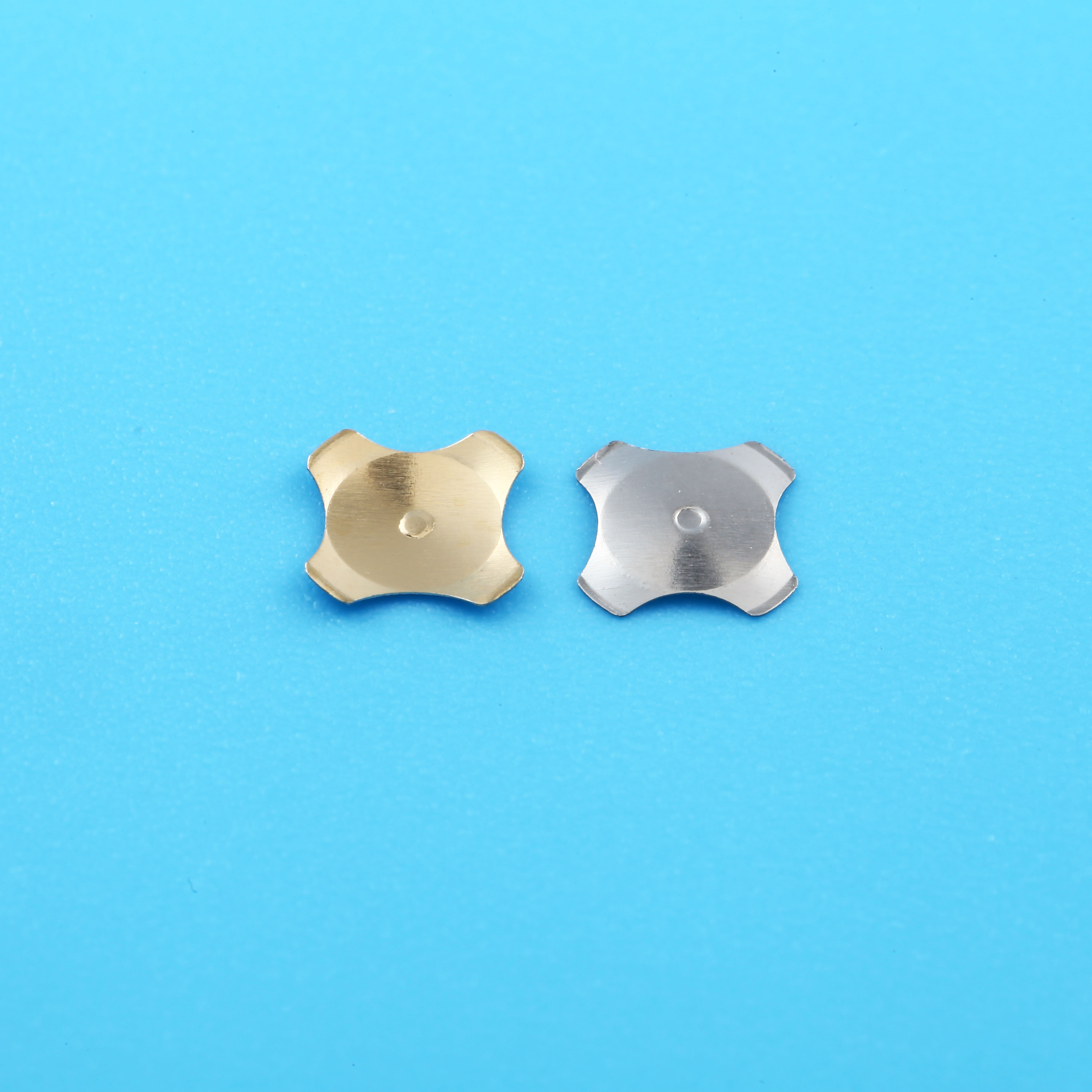
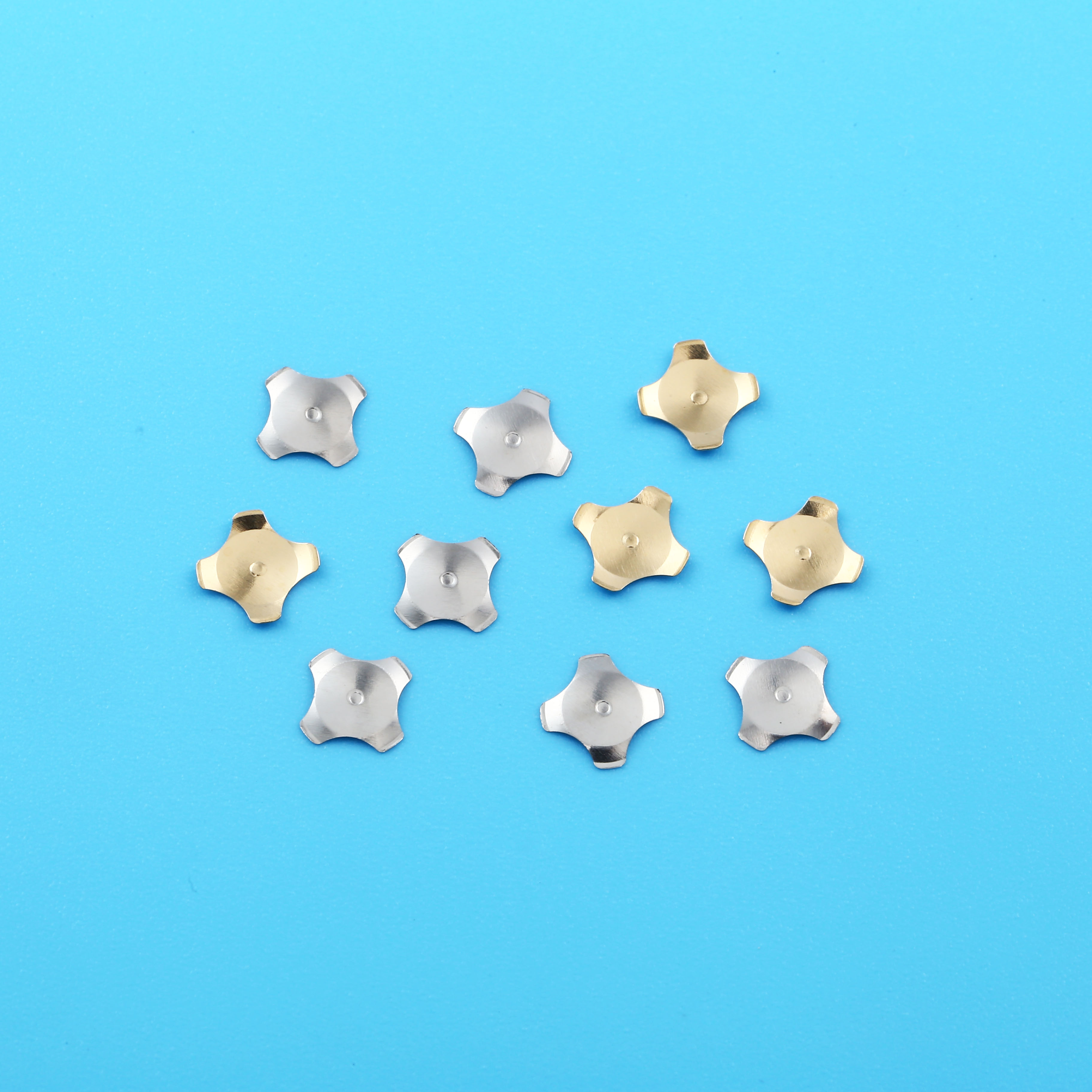
Four-pin dome switches (four-pin metal domes/four-pin metal conductive plates) serve as critical tactile components within membrane switches and various push-button switches. Hongmao's four-pin dome switches are manufactured through stainless steel stamping, featuring a stable four-corner support structure that ensures a distinct tactile click sensation and reliable electrical conductivity upon actuation.
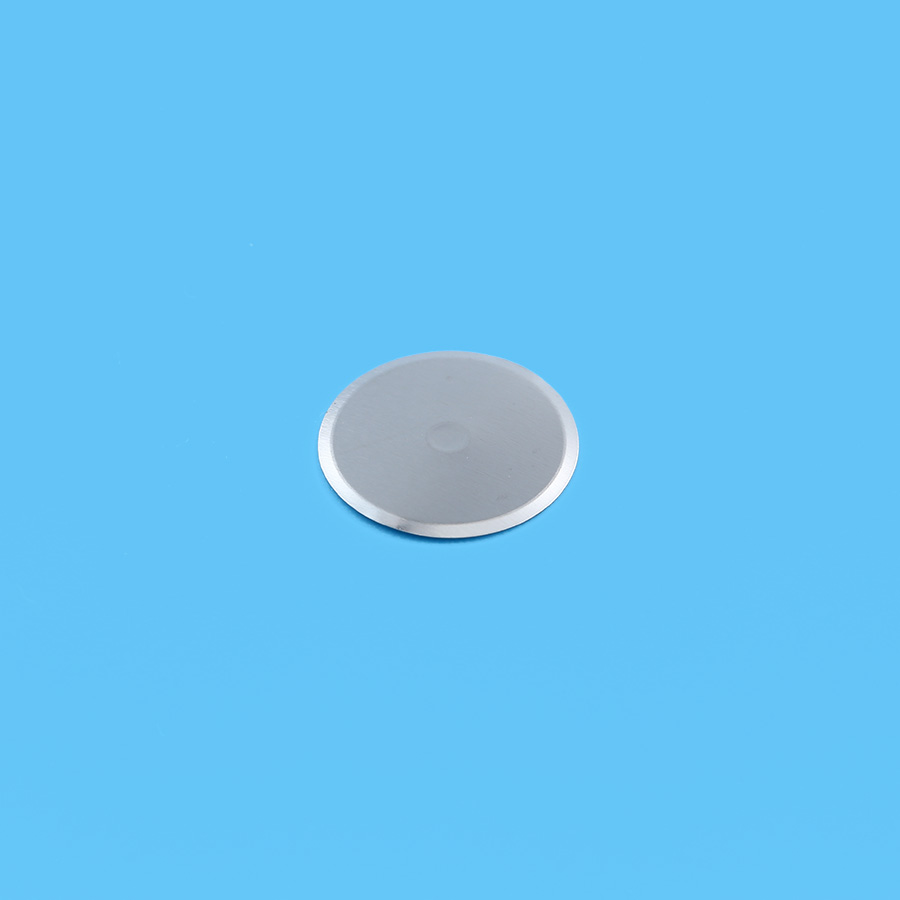
This series encompasses multiple shapes, ranging from conventional circular and square to specialised configurations. Gold-plated variants are additionally available to meet high reliability and corrosion resistance requirements, making them suitable for long-term use in precision electronic products.
Definition and Structure of Gold Plating Metal Dome
Circle gold metal dome Base Material:
Common Materials: Stainless steel (SUS301/304), beryllium copper (BeCu), phosphor bronze, and other high-elasticity alloys.
Function: Provides contact pressure through elastic deformation to ensure the reliability of electrical connections.
Gold Plating Layer Characteristics:
Plating material: Pure gold (Au) or gold alloys (e.g., AuNi, AuCo), with a thickness typically ranging from 0.1 to 5 μm.
Purpose of gold plating: To enhance conductivity, corrosion resistance, and oxidation resistance, thereby extending service life.
The Core Advantages of Gold Plating Metal Dome
Extreme corrosion resistance:
Gold hardly reacts with oxygen or sulfides at room temperature and remains stable even when exposed to humid, sulfur-containing environments for long periods of time, avoiding the sulfidation and blackening issues associated with silver plating.
Low contact resistance:
The oxide film on the gold surface is extremely thin (almost negligible), resulting in low and stable contact resistance, making it suitable for microcurrent or high-frequency signal transmission (e.g., 5G communication, high-speed connectors).
Abrasion Resistance and Lifespan:
The hardness of the gold plating can be enhanced through alloying (e.g., adding cobalt or nickel), making it suitable for high-frequency insertion and removal scenarios (e.g., test probes, SIM card slots).
What Are Gold Plating Metal Dome Used For?
Gold-plated metal films are deployed in critical applications. They are not employed in everyday toys or low-end devices, but are specifically selected for high-risk scenarios.
Medical equipment: Surgeons and nurses demand absolute reliability.
Military and aerospace: Corrosion resistance is indispensable in extreme environments. Where other materials fail, gold remains steadfast.
Automotive instrument panels: Precision, durability and thermal stability are paramount.
Industrial control systems: Machinery tolerates no errors. Gold-plated domes ensure seamless, uninterrupted operation.
Can Gold-Plated Snap Dome enhance conductivity?
Gold is an exceptional conductor, enabling instantaneous signal transmission with near-zero resistance. Unlike other metals, gold does not oxidise or discolour over time. This ensures the metal dome maintains a pure, stable contact state even after years of use.
For push-button dome switches, this reliability is paramount. When a user presses the key, they expect an immediate, precise response – higher sensitivity, faster reaction times, and fewer failures.
Do Pold-plated Metal Domes Offer a Longer Service Life?
The lifespan of a metal dome is measured by the number of presses it can withstand. Standard domes endure hundreds of thousands of presses, whereas gold-plated domes can withstand over a million.
Why is this? Because gold, as a soft inert metal, is resistant to oxidation and does not wear down like nickel or silver. This significantly reduces the rate of mechanical and electrical failures.
Even in harsh environments such as high humidity, salt exposure, or extreme temperature fluctuations, gold maintains stable performance.